
Bees may seem small and ordinary, but they play a vital role in sustaining life on Earth. These remarkable pollinators are responsible for supporting nearly 90% of the world’s food supply. Without them, ecosystems and agriculture would struggle to survive. In recent years, however, bee populations have declined at an alarming rate, raising concern among environmental experts and nature advocates alike.
Sir David Attenborough, the renowned naturalist and broadcaster, has been one of the most vocal figures drawing attention to this crisis. He has often reminded the public that bees are indispensable to both nature and human survival. Reports show that in just a few years, global bee numbers have dropped by roughly one-third — a loss with serious ecological consequences. Yet, Attenborough emphasizes that hope remains if people take small, consistent steps to help.
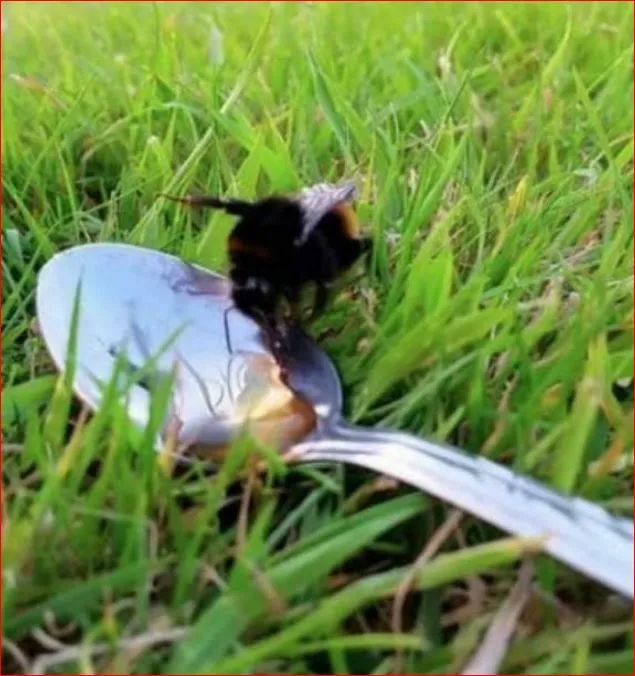
One simple way to assist is by helping an exhausted bee regain its energy. Mixing two tablespoons of sugar with one tablespoon of water and placing it on a spoon or shallow dish in a garden or near flowers can give a tired bee the strength to fly back to its hive. While small, this gesture can make a difference. Planting bee-friendly flowers, avoiding harsh pesticides, and allowing wild blooms to flourish are also powerful ways to support local pollinators.
Protecting bees means safeguarding our future. Their work touches every part of the food chain, from crops to wild plants. As Attenborough reminds us, meaningful change doesn’t always begin with grand gestures — sometimes it starts with a teaspoon of sugar, a patch of flowers, and a renewed appreciation for the creatures that keep our world thriving.