
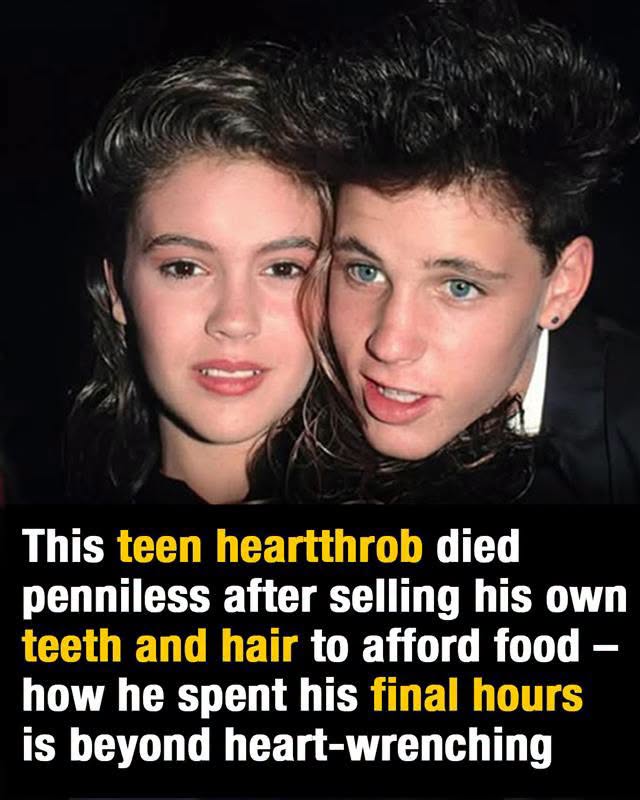
Corey Haim rose to fame as a teenager, becoming one of the most recognizable young actors of the 1980s. Films like The Lost Boys turned him into a household name, admired for his charm and relatability. From the outside, his life seemed enviable—success, attention, and a place in pop culture that many could only dream of.
Behind that image, however, the reality was far more complicated. Like many young performers, Haim faced intense pressure at an age when most people are still finding their footing. The demands of fame, combined with personal struggles, took a toll over time. His story reflects broader concerns about how the entertainment industry has historically handled the well-being of child actors, often focusing more on performance than protection.
In the years that followed his early success, Haim struggled with health and addiction challenges that were widely reported but not always fully understood. His death at the age of 38 was linked to complications involving pneumonia, with contributing factors related to long-term health issues. While headlines often focused on the more sensational aspects, the deeper reality pointed to a prolonged struggle rather than a single moment.
What remains is more than a story about fame—it’s a reminder of the human cost behind it. Haim’s life continues to spark conversations about the responsibility to protect young talent, to take mental health seriously, and to view addiction through the lens of care rather than judgment. His legacy, in that sense, extends beyond film, encouraging a more thoughtful and compassionate understanding of those who grow up in the spotlight.