
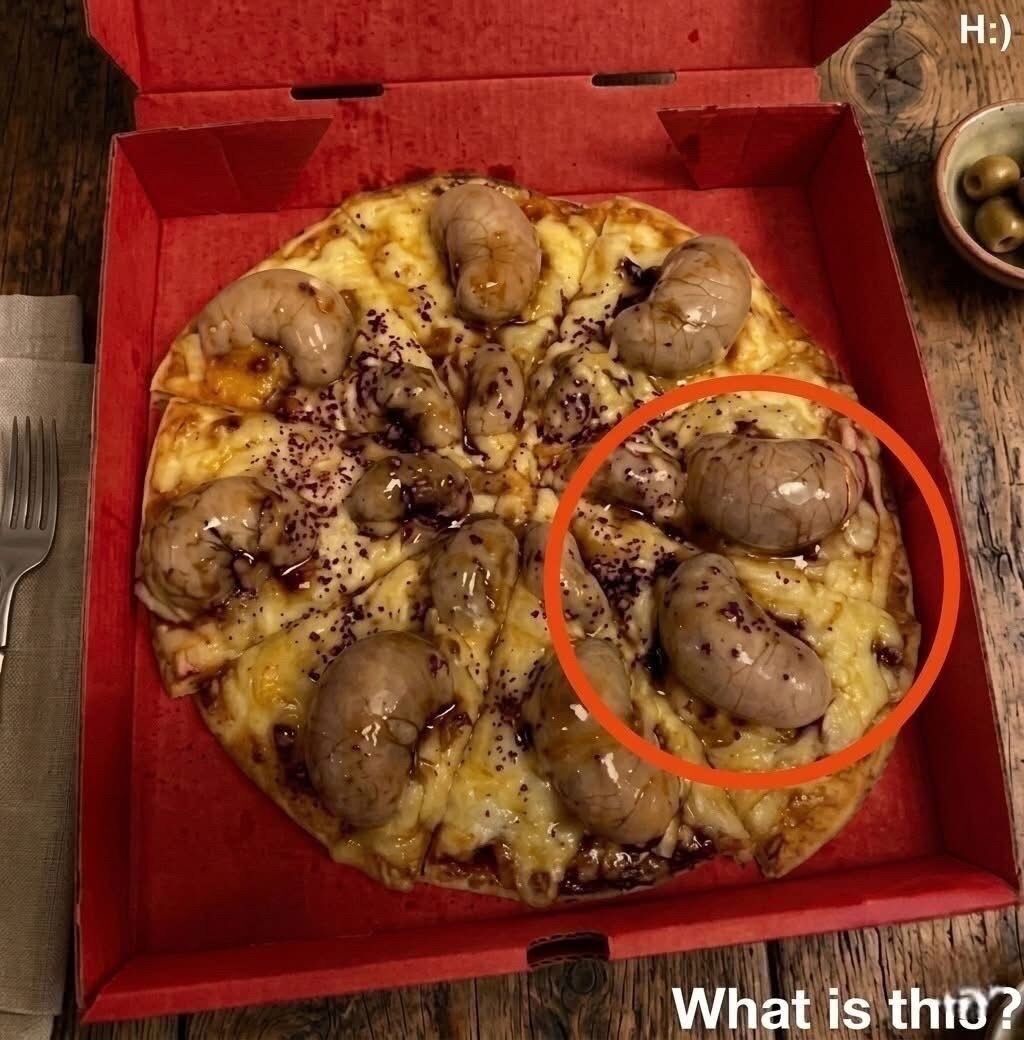
Opening a pizza box and spotting unusual bubbles across the melted cheese can feel surprising at first, especially when the texture looks different from a typical order. Raised, shiny pockets scattered across the surface may appear strange enough to make someone pause before taking the first bite. However, in many cases, these bubbles are simply part of the natural baking process rather than a sign that anything is wrong.
Pizza dough and cheese react strongly to high oven temperatures. During baking, trapped air, moisture, and steam expand beneath the surface, creating smooth dome-like bubbles that lift portions of the cheese and crust. Restaurants using very hot ovens, fresh dough, or thicker layers of cheese may see this happen more often, especially on freshly baked pizzas removed directly from intense heat.
The appearance can vary depending on ingredients and cooking style. Some bubbles remain small and barely noticeable, while others become larger and more dramatic across the top of the pizza. Cheese oils, moisture content, and air pockets inside the dough all contribute to the final texture and look. Many pizza enthusiasts even associate these bubbly spots with high-temperature baking and freshly prepared crusts.
Unexpected food textures often seem unusual until there is a simple explanation behind them. Learning how heat, moisture, and ingredients interact during cooking can turn uncertainty into curiosity. Sometimes what initially looks strange is simply part of the science that gives freshly baked foods their flavor, texture, and character.