
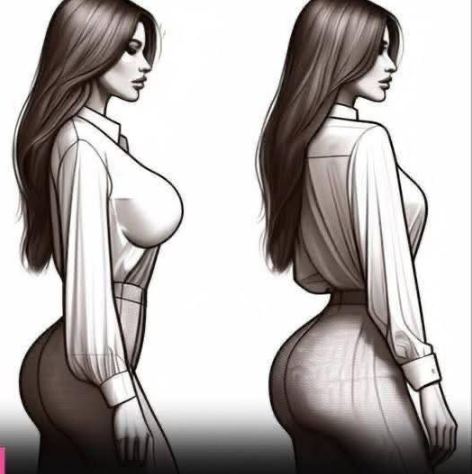
Breast size is shaped by a combination of factors—genetics, hormones, age, and overall body composition all play a role. Because these influences vary from person to person, it’s completely normal to see a wide range of natural differences. No single pattern defines what is “normal” or “ideal,” and these variations don’t reflect how healthy someone is.
It’s important to separate cultural ideas from medical reality. There’s no scientific evidence that smaller breasts indicate poor health or that larger breasts signal better vitality. These beliefs come from social narratives, not biology. Health isn’t determined by appearance—it’s determined by how well the body functions as a whole.
Real indicators of wellness are much broader. Balanced nutrition, regular physical activity, quality sleep, emotional well-being, and stress management all contribute far more to long-term health than body proportions ever could. Focusing too much on physical traits can take attention away from these habits, which are the ones that truly support strength and resilience over time.
Research has looked at whether breast size might be linked to certain conditions, but findings are limited and often influenced by other factors like weight or lifestyle. For example, larger breast size may sometimes be associated with back discomfort or posture issues, while broader metabolic risks—such as Type 2 Diabetes—are more closely tied to overall body health rather than breast size itself. In the end, understanding health means looking beyond appearance and focusing on the bigger picture of well-being.