
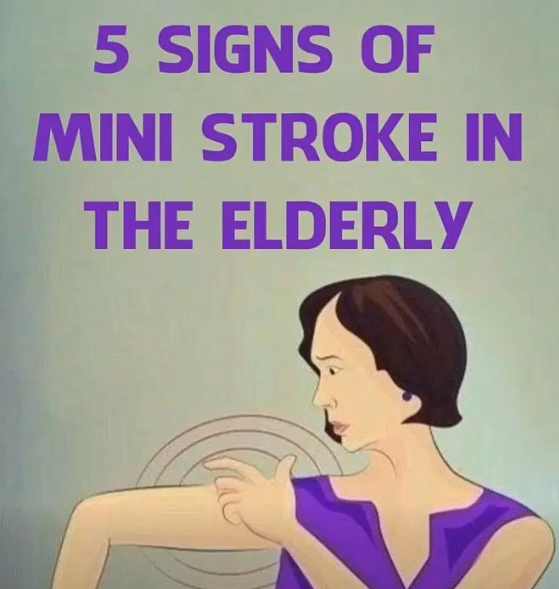
As our loved ones grow older, we often expect small changes — moments of forgetfulness, a slower pace, or a little extra rest. But sometimes, what appears to be a simple sign of aging can be something far more serious. If an elderly family member suddenly becomes disoriented, has trouble speaking, loses balance, or feels sudden weakness or numbness on one side, these are not just normal changes. They may be signs of a transient ischemic attack (TIA) — commonly called a mini-stroke.
A TIA occurs when blood flow to part of the brain is briefly interrupted, often due to a tiny blood clot or a narrowed artery. Symptoms may fade within minutes, which makes them easy to ignore. Yet, these fleeting moments can serve as a critical warning. A mini-stroke is often the body’s signal that a larger, more dangerous stroke could follow. Those with high blood pressure, diabetes, elevated cholesterol, heart disease, or a history of smoking face a higher likelihood of experiencing one.
Recognizing a TIA and seeking immediate medical help can be life-saving. Doctors may prescribe medications to thin the blood, control blood pressure or cholesterol, and recommend lifestyle adjustments such as regular exercise, balanced nutrition, and quitting smoking. Acting quickly after a TIA can greatly reduce the risk of future strokes, helping preserve memory, mobility, and overall quality of life.
A mini-stroke should never be dismissed as “just a passing spell.” It’s a quiet but urgent message from the body — one that calls for awareness, action, and care. By responding swiftly and supporting healthy habits, families can help protect not only physical well-being but also the independence and precious time shared with those they love most.