
A recent decision by the U.S. Supreme Court delivered an important ruling affecting the investment industry and the legal authority of shareholders to challenge certain corporate actions. In a 6-3 decision, the Court ruled that Section 47(b) of the Investment Company Act of 1940 does not provide an implied private right of action allowing shareholders to seek rescission of contracts they believe violate the law. The ruling came in the case involving FS Credit Opportunities Corp. and Saba Capital Master Fund and overturned an earlier decision by the Second Circuit that had allowed such lawsuits. The case attracted significant attention because of its potential impact on activist investors and closed-end funds.
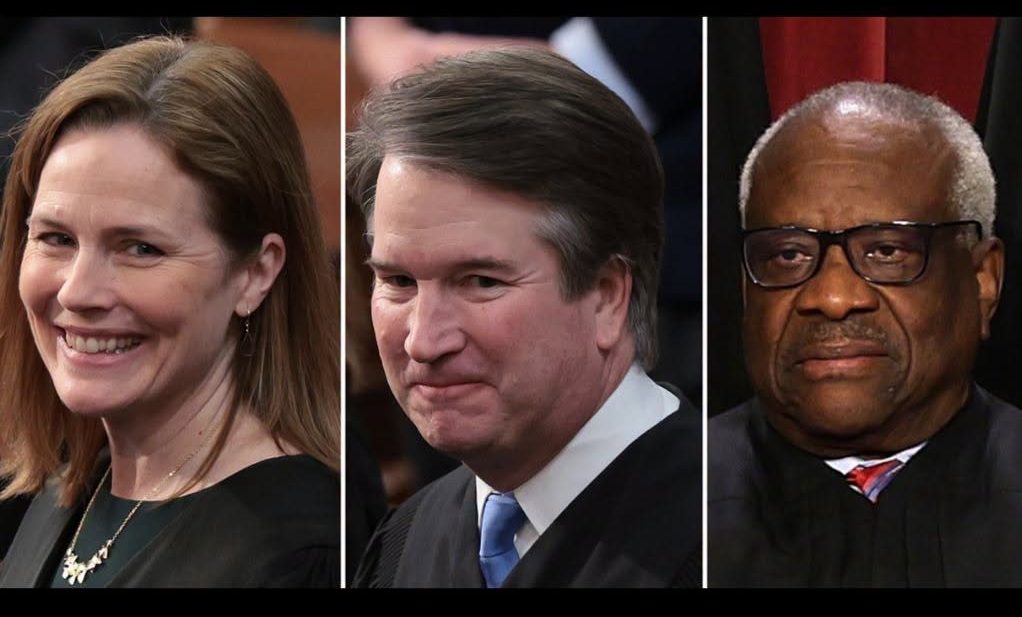
Writing for the majority, Justice Amy Coney Barrett emphasized that the authority to determine who may enforce federal laws rests with Congress rather than the courts. Joined by Chief Justice John Roberts and Justices Clarence Thomas, Samuel Alito, Neil Gorsuch, and Brett Kavanaugh, Barrett concluded that the statute directs courts regarding available remedies but does not create a separate right for private parties to initiate lawsuits. The majority opinion focused heavily on the language and structure of the law, stressing that the Securities and Exchange Commission remains the primary enforcement authority under the Act.
The dispute originated from efforts by Saba Capital to challenge measures adopted by several closed-end funds, including those connected to FS Credit Opportunities and affiliates of BlackRock. Saba argued that resolutions tied to Maryland’s Control Share Acquisition Act violated equal voting rights provisions contained in the Investment Company Act. Lower courts had previously sided with Saba based on earlier precedent, but the Supreme Court determined that Section 47(b) should not be interpreted as creating a new avenue for shareholder lawsuits. The ruling therefore limits the ability of private investors to pursue certain claims through the courts while reinforcing the SEC’s central role in enforcement.
Legal experts and market participants are expected to closely examine the implications of the decision in the months ahead. Supporters of the ruling argue that it provides greater clarity and prevents courts from expanding enforcement powers beyond what Congress intended. Critics, meanwhile, may contend that restricting private lawsuits reduces available tools for challenging alleged violations. Regardless of differing perspectives, the decision highlights the continuing debate over the balance between regulatory agencies, shareholders, and the judiciary in overseeing the investment industry. It also underscores the Supreme Court’s broader approach to statutory interpretation, emphasizing that significant expansions of legal rights must come from Congress rather than judicial inference.