
Choosing fresh fruit can sometimes feel unpredictable. Even when produce looks appealing in the store, the quality inside may not always match expectations. Many shoppers have experienced the disappointment of cutting into fruit that appears ripe on the outside only to discover it lacks flavor, texture, or freshness. Learning a few simple selection techniques can help increase the chances of bringing home fruit that tastes as good as it looks.
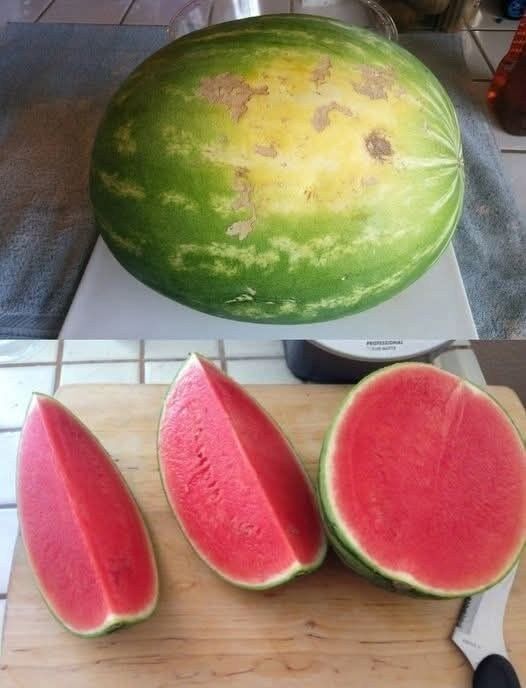
Watermelons are among the fruits that benefit from a closer inspection before purchase. Many produce experts recommend looking for a creamy yellow field spot—the area where the melon rested on the ground while growing. A more pronounced yellow color often suggests the fruit had time to mature naturally. Some shoppers also pay attention to web-like brown markings, which are commonly associated with pollination activity. Additionally, round watermelons are often believed to have a slightly sweeter flavor profile, though growing conditions can vary.
When selecting a pineapple, color and aroma can provide useful clues. A fruit with a hint of golden-yellow coloring is often closer to ripeness than one that remains entirely green. Many people also check the leaves near the crown; if one pulls out with gentle resistance, it may indicate the pineapple is ready to enjoy. Perhaps the most reliable test is scent—a sweet, tropical fragrance near the base usually suggests good flavor and maturity.
Cantaloupes offer their own set of indicators. A ripe melon typically has a warm beige or tan exterior rather than a greenish hue. Weight can also be helpful, as a heavier cantaloupe often contains more juice. Finally, a pleasant, sweet aroma near the stem end is frequently a sign of ripeness. While no technique can guarantee perfection every time, paying attention to details such as color, weight, texture, and scent can make fruit shopping a more rewarding experience and help reduce the guesswork involved.