
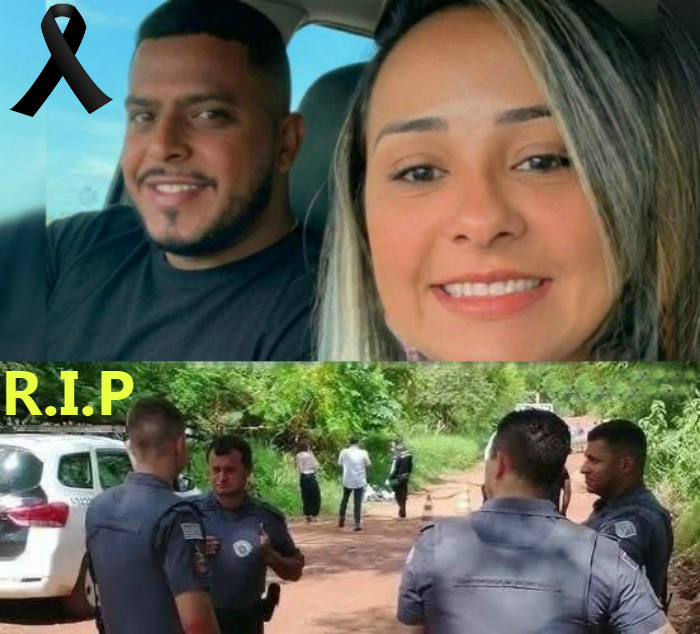
When a missing persons case ends, the outcome can bring both answers and heartbreak. In moments like this, attention often shifts quickly from the search itself to the deeper impact on those left behind. While investigators work to understand what happened, families and communities are left to process something far more personal—the absence of people who were part of everyday life.
What stands out in these situations is how people come together. Neighbors, friends, and even those who only knew the couple in passing begin to show support in quiet, meaningful ways. Shared meals, kind messages, and simple presence become a way of carrying each other through grief. These gestures may seem small, but they create a sense of connection that helps ease the weight of loss.
Public gatherings, like vigils, often become spaces where memories take center stage. Stories are shared, laughter mixes with tears, and the focus gradually shifts from how lives ended to how they were lived. These moments remind everyone that a person’s legacy is not defined by a single event, but by the relationships they built and the care they showed to others.
In the end, healing doesn’t come from answers alone. It comes from choosing to remember with intention—holding onto the kindness, the shared experiences, and the love that remains. While loss can change a community, it can also bring people closer, encouraging a deeper appreciation for one another and for the time they have together.