
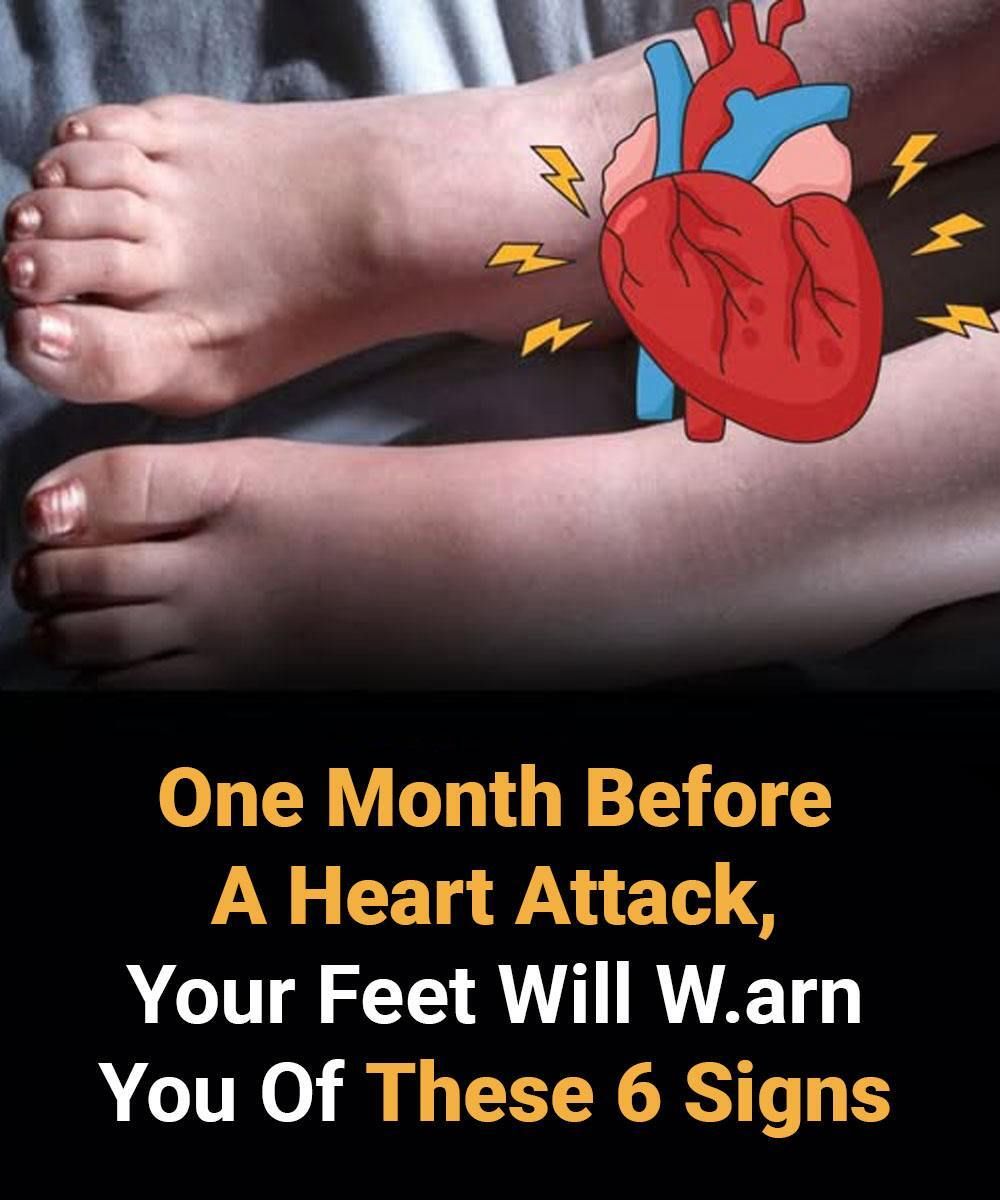
Your feet do much more than help you move — they can quietly signal changes in your overall health, sometimes even before other symptoms appear. Because the heart is responsible for circulating blood throughout the body, the feet are often the first place to show signs of reduced circulation. Paying attention to subtle changes can help you understand what your body might be trying to tell you.
Persistent coldness in your feet or toes, even in warm weather, can suggest that blood flow isn’t as strong as it should be. Swelling around the ankles or feet (known as edema) may appear after long periods of standing and could indicate that your body is retaining fluid. Likewise, skin that looks unusually pale, bluish, or purplish may signal that your feet aren’t receiving enough oxygen-rich blood.
Other signs to watch for include tingling or numbness, which can sometimes relate to circulation issues in the legs. If you notice that small cuts or blisters take longer than usual to heal, it might mean your tissues aren’t getting enough nutrients from healthy blood flow. Cramping or pain while walking that eases with rest — known as claudication — can also be a sign that blood isn’t moving as freely as it should.
If you experience these changes, it’s best to consult a healthcare professional for a thorough check-up. Monitoring your blood pressure, cholesterol, and circulation regularly can make a real difference in maintaining long-term health. Sometimes, your feet notice what your heart is feeling — and listening to them early may help you take better care of yourself from head to toe.