
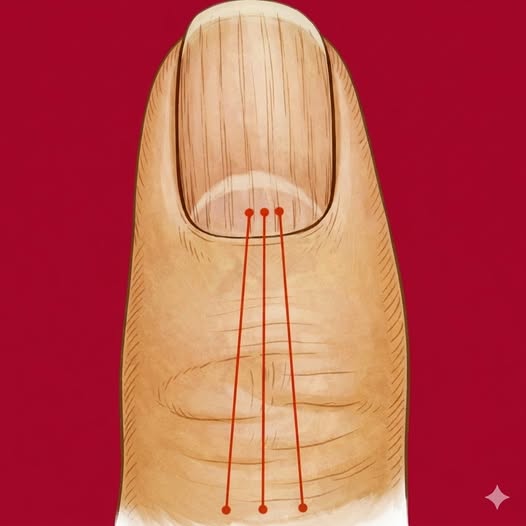
Seeing fine lines run from the base of the nail to the tip can be surprising, especially when they seem to appear more clearly after midlife. In many cases, though, vertical ridges are a normal part of aging rather than a sign that something is seriously wrong. Medical sources note that these longitudinal ridges commonly become more visible over time and are often harmless on their own.
That change is partly related to how nails are formed and how they respond to dryness over the years. Nails are made of keratin, and as people age, nail growth can slow while nails also become more brittle or dry. Repeated handwashing, exposure to water, and harsh cleaning products can make the texture stand out even more by stripping away moisture and natural oils.
Sometimes nail texture can also reflect other factors beyond normal aging. Cleveland Clinic notes that vertical ridges may appear with very dry skin and can sometimes be associated with conditions such as eczema or thyroid disease, while broader nail changes can also happen with nutritional deficiencies or other health issues. That does not mean every ridge is a warning sign, but it does mean it is worth paying attention if the nails also become brittle, discolored, painful, or suddenly change in shape.
The good news is that basic nail care can make a noticeable difference. Moisturizing the nails and cuticles, protecting hands with gloves during chores, limiting harsh chemical exposure, and staying hydrated may help reduce dryness and improve nail appearance over time. Vertical ridges are usually just part of getting older, but if you notice major changes in color, thickness, pain, or nail shape, it is a good idea to check in with a clinician or dermatologist.