
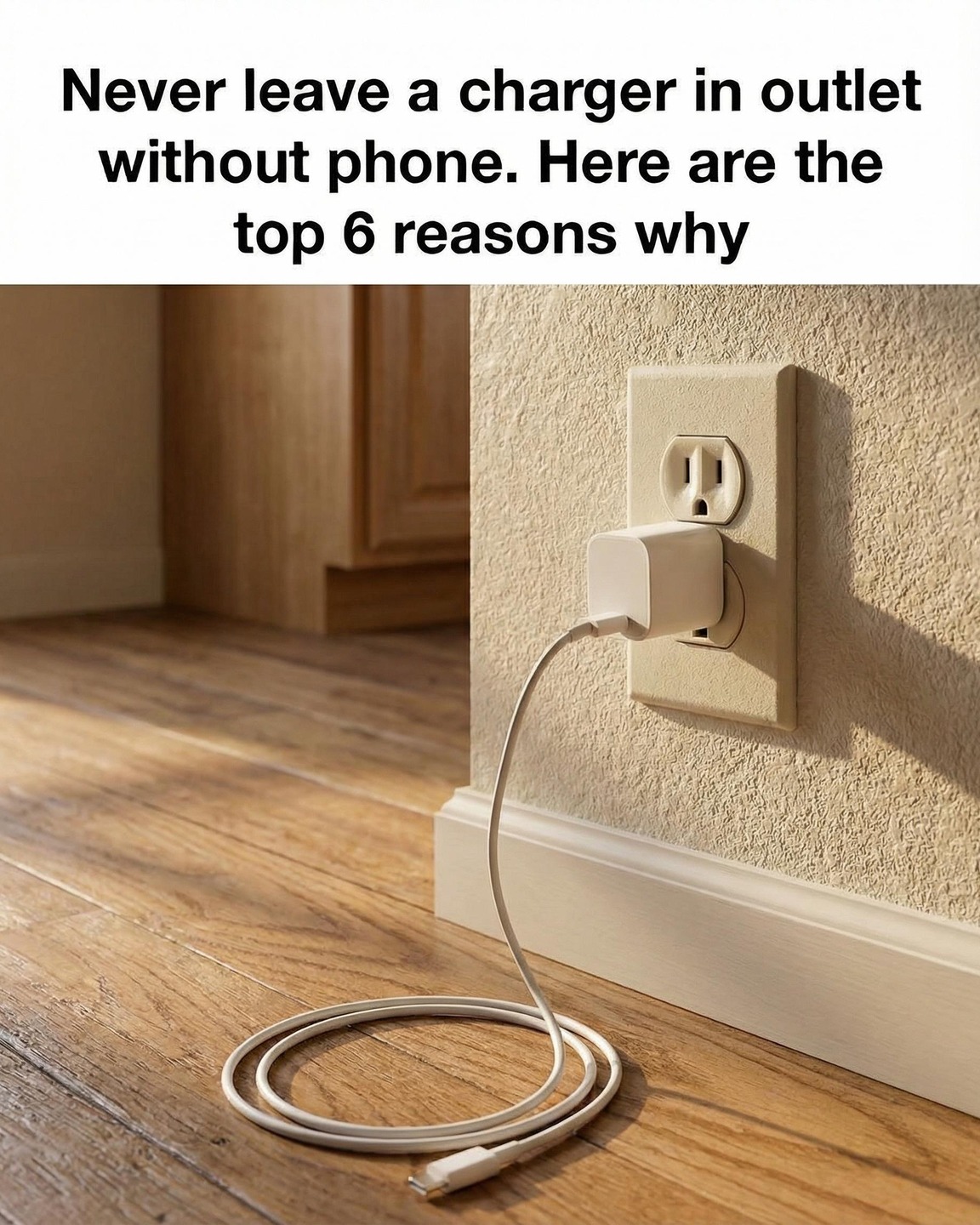
In today’s tech-heavy homes and offices, chargers blend into the background of daily life. Phones, tablets, laptops, and earbuds rely on them so consistently that it feels natural to leave them plugged in around the clock. But this small habit—while convenient—can create unnecessary energy waste and add avoidable wear to your devices. Understanding what happens when chargers stay connected to wall outlets can help you build safer, more efficient routines.
Even without a device attached, many chargers continue to draw a tiny amount of electricity, often referred to as phantom or standby power. On its own, this may seem insignificant, but multiply it by several chargers left plugged in throughout a home or workplace, and the impact becomes clearer. By simply unplugging chargers when they’re not in use, you can cut down on this hidden energy use and make your space more efficient without sacrificing convenience.
There’s also a practical safety aspect to consider. Chargers are small electrical components that warm up slightly whenever they’re connected to power. Over time, constant exposure to electricity can add stress to internal parts, especially in older or lower-quality models. While modern chargers include built-in safety features, unplugging them reduces unnecessary heat, lowers the risk of damage during sudden power fluctuations, and supports longer overall device life.
Making unplugging a small part of your routine is an easy step toward smarter, more sustainable habits. Reducing continuous power flow helps minimize electricity costs, extends the lifespan of your chargers, and decreases electronic waste over time. Pairing this with simple practices—such as choosing certified accessories and storing chargers in a safe, dry place—keeps your environment both safer and more organized. Sometimes, small changes in how we use everyday tools can add up to meaningful improvements in the long run.