
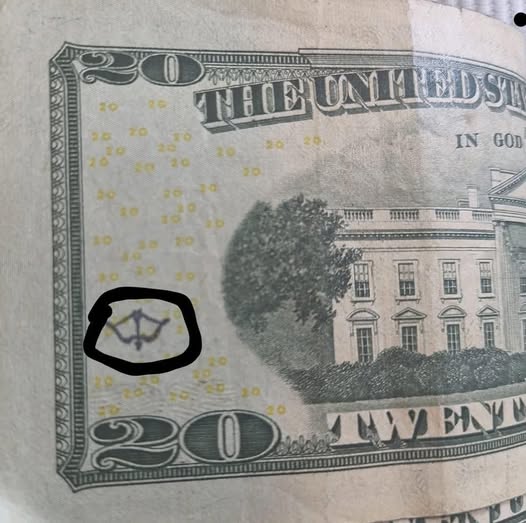
You might notice it while paying for coffee or sorting through your wallet: a small, unfamiliar mark on a dollar bill that looks hand-stamped or drawn. At first, it can raise questions—has this bill been damaged, altered, or even faked? In reality, these markings are rarely a cause for concern. Instead, they often reveal that the bill has had a life far beyond everyday domestic use, traveling through other countries and economic systems before finding its way back to you.
These symbols are commonly known as chop marks, and they have a long history tied to trade and trust. In many parts of the world, especially in Asia, merchants traditionally stamped coins and currency after verifying their authenticity. This practice dates back hundreds of years, when confirming the weight and purity of money was essential. As paper currency became more widespread, the habit continued—particularly with U.S. dollars, which are widely accepted and used internationally due to their stability.
In places where U.S. currency circulates alongside local money, chop marks serve as informal approvals. A marked bill signals that it has already been checked and accepted by a money changer or trader, saving time and reducing uncertainty for the next person. The designs can vary greatly, from simple shapes to stylized symbols, and they’re usually placed carefully so they don’t interfere with key features of the bill. Each mark acts like a quiet stamp of passage, recording a stop along the bill’s global journey.
Despite how unusual they may look, lightly stamped bills are still legal tender. These marks are generally treated as normal signs of circulation rather than damage. While heavily marked bills might occasionally cause issues with machines or be questioned by banks, most remain perfectly usable. Finding one can be a small reminder that money isn’t just currency—it’s a traveler. Those tiny symbols hint at global trade, shared trust, and the many hands and places a single dollar can pass through before ending up in yours.