
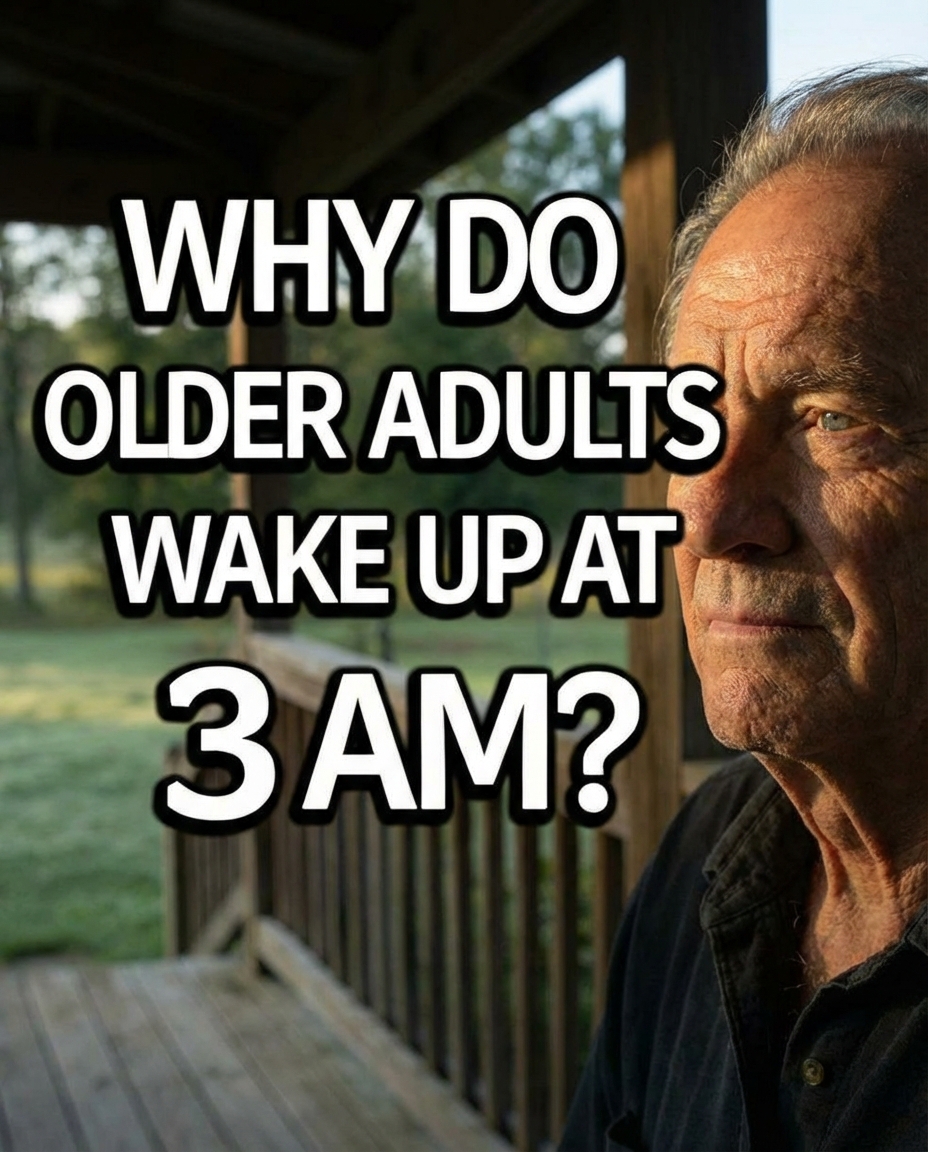
For many adults over 60, nighttime doesn’t always follow the script it once did. Instead of sleeping soundly until morning, they may find themselves wide awake around 3 a.m., staring at the ceiling while the rest of the house remains quiet. Although this pattern can feel frustrating, it’s surprisingly common—and in many cases, it reflects normal age-related changes rather than a serious health concern. Understanding why it happens can make those early-morning wakeups feel less alarming.
One of the biggest influences is melatonin, the hormone responsible for regulating the body’s sleep–wake cycle. As we age, natural melatonin production gradually declines. This shift can make sleep lighter and more easily interrupted. By the early morning hours, melatonin levels may dip enough to trigger alertness, even if the body could benefit from more rest. In addition, older adults often become more sensitive to subtle disturbances like changes in room temperature, outside noise, or light filtering through curtains.
Circadian rhythm changes also play a key role. Many people begin feeling sleepy earlier in the evening as they get older. If bedtime shifts to 8:30 or 9:00 p.m., waking at 3:00 or 4:00 a.m. may simply reflect a completed sleep cycle rather than insomnia. Lifestyle adjustments—such as retirement, fewer structured daily activities, and reduced exposure to natural daylight—can further influence the body’s internal clock. Other factors, including medications, mild aches and pains, caffeine consumption, or daytime naps, may also contribute to early waking.
While ongoing or severe sleep disruption should be discussed with a healthcare professional, occasional early rising is often a natural part of aging. Fortunately, simple habits can make a meaningful difference. Maintaining consistent sleep and wake times, reducing screen use before bed, staying physically active, and spending time in natural sunlight during the day can help reinforce healthy sleep patterns. With small adjustments and realistic expectations, restful nights are still well within reach.