
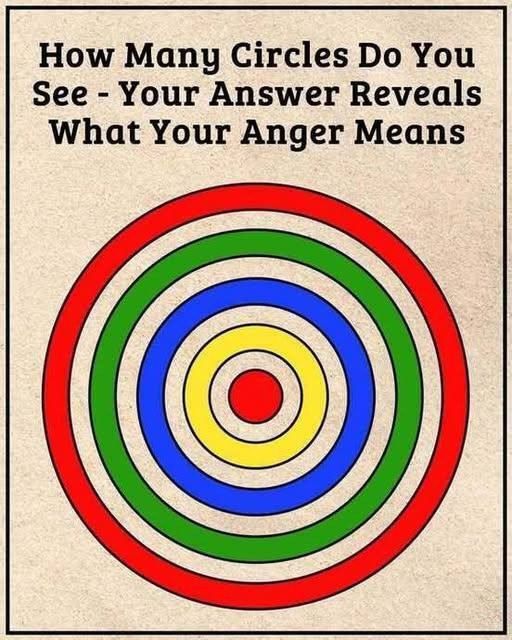
Every so often, an optical illusion goes viral claiming it can reveal something bold about your personality—like how narcissistic you might be—based solely on how many circles you see. It sounds dramatic, but that exaggeration is part of the charm. These images aren’t rooted in psychology or science, and they’re not meant to diagnose anything. Their real power lies in how effortlessly they spark curiosity, debate, and playful self-reflection.
The enjoyment doesn’t come from labeling yourself or others—it comes from observing perception itself. How quickly do you notice patterns? Do you focus on the obvious shapes first, or do you scan for hidden details? Comparing answers with friends often leads to laughter and surprise, not judgment. These illusions create a low-pressure space to notice how differently people process the same visual information.
What makes them so captivating is their simplicity. There’s no correct score, no pass or fail—just a momentary challenge that invites attention and curiosity. Because the stakes are nonexistent, people feel comfortable engaging, sharing results, and discussing what they noticed. In a digital world full of heavy topics, that lightness is refreshing and connective.
So the next time you see one of these circle-counting images, take a second to enjoy it. Count what you see, smile at the difference in perspectives, and maybe pass it along. The real value isn’t in what the illusion claims to reveal—it’s in the pause it creates, the conversation it starts, and the reminder that playfulness and curiosity still have a place in everyday life.