
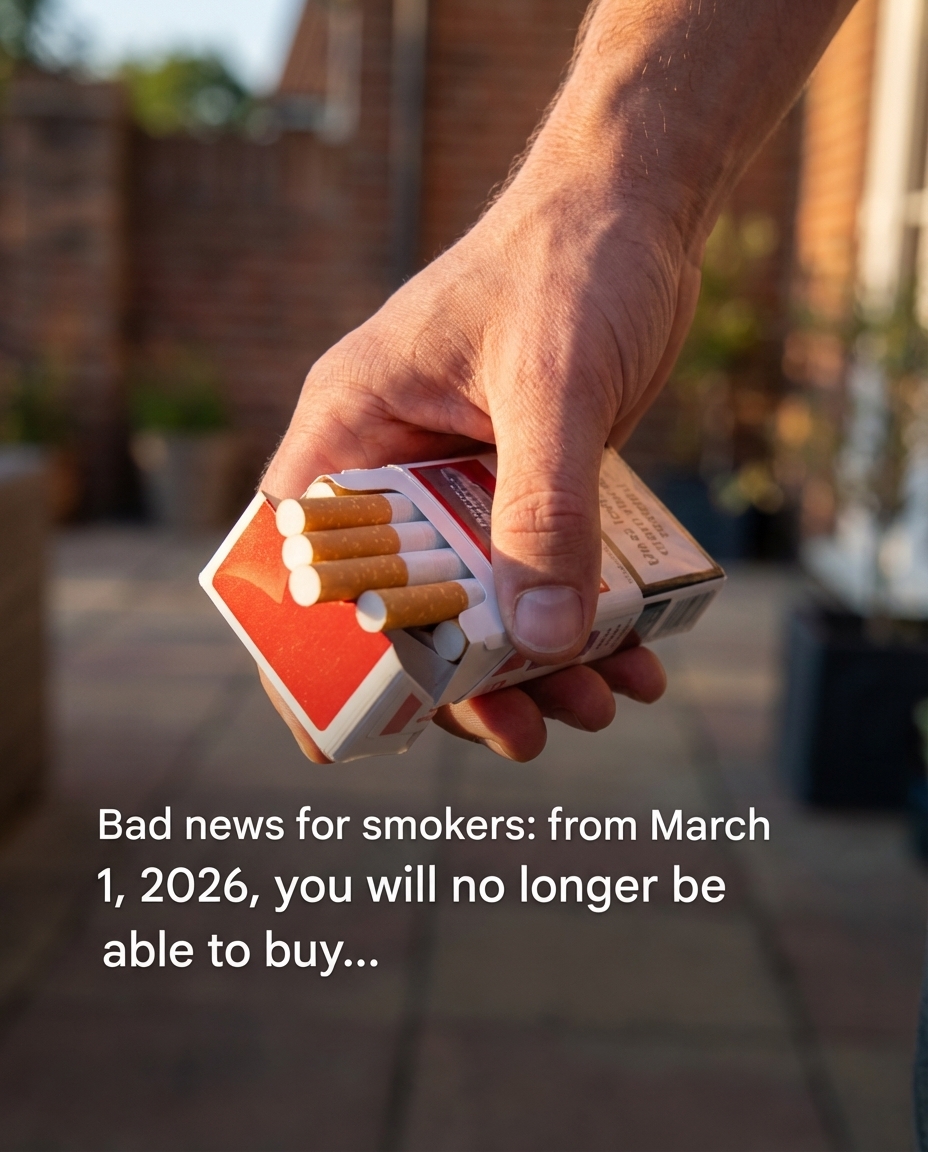
Cigarette prices in France have climbed steadily over the past several years, leaving many consumers wondering why the cost continues to increase. Although the price printed on a pack might appear straightforward, it is actually shaped by a detailed system involving manufacturers, retailers, and government regulation. French authorities have intentionally raised tobacco prices as part of long-term public health policies aimed at discouraging smoking and promoting healthier lifestyles.
The process of setting cigarette prices begins with tobacco manufacturers or importers. They propose a retail price that reflects production costs, transportation, distribution, and their commercial margin. However, this price cannot be implemented immediately. It must first be reviewed and approved by government agencies, including the Directorate General of Customs and Indirect Taxes. Once approved, the price becomes standardized across the country, meaning retailers are not allowed to discount or alter the official selling price.
When someone purchases a pack of cigarettes, the total amount paid is divided among several parties. Manufacturers generally receive around 15 percent of the price to cover production and distribution. Retailers, often tobacco shops known as “buralistes,” earn a regulated commission that usually ranges from 8 to 10 percent. The largest share of the price—often between 75 and 80 percent—goes to the government through various taxes.
These taxes include excise duties and Value Added Tax. Excise duties are calculated using a formula that combines a percentage of the retail price with a fixed amount tied to the quantity of tobacco. If the result falls below a minimum threshold, a minimum tax level is applied. By early 2026, the average price for a pack of 20 cigarettes in France had reached roughly €12.50 to €13 depending on the brand, reflecting the country’s ongoing effort to reduce tobacco consumption and improve public health over time.