
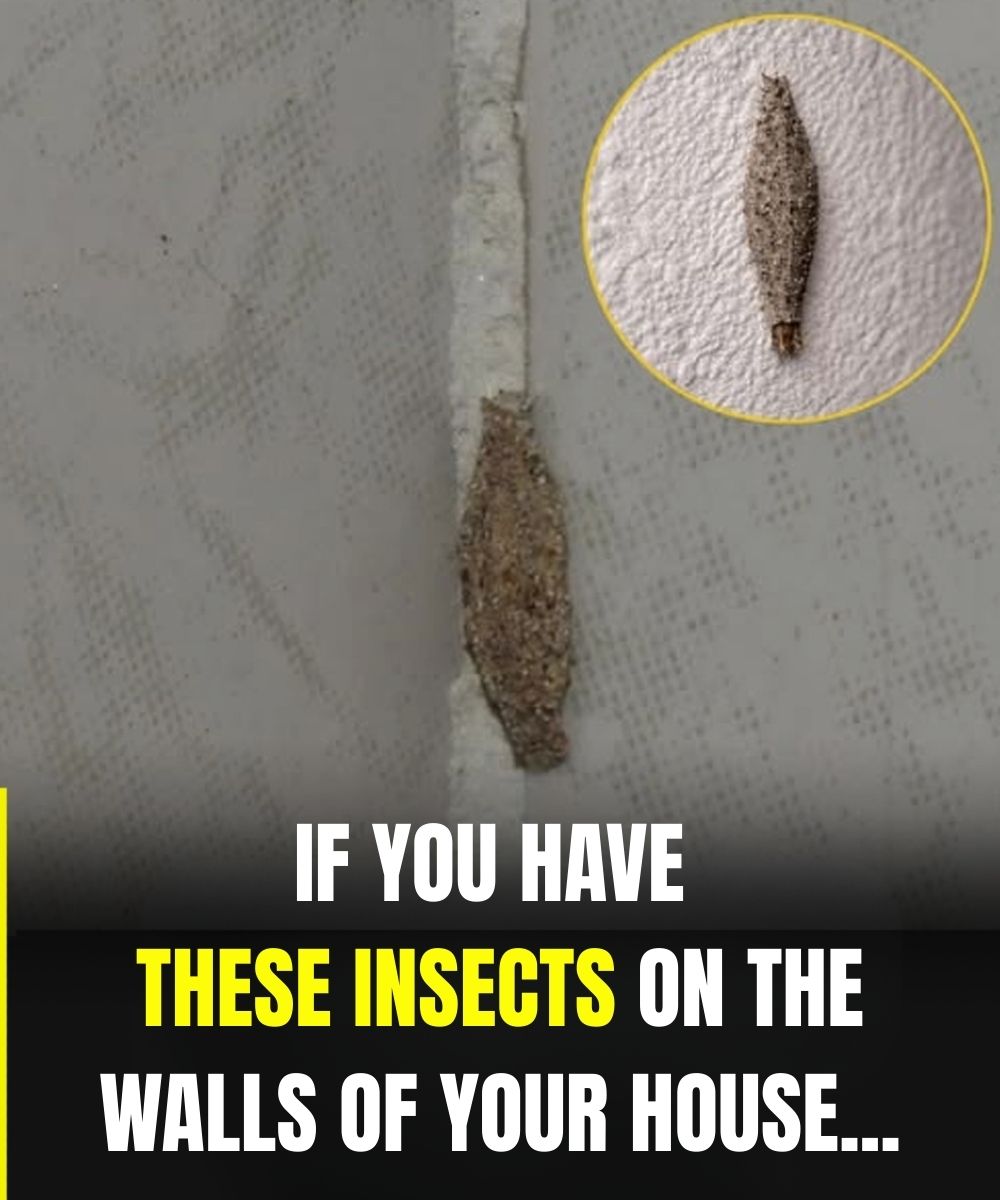
Bagworms, sometimes called case-bearing moth larvae, are small insects that often go unnoticed because of their natural camouflage. They create protective cases from dust, lint, fibers, and tiny debris, allowing them to blend seamlessly into indoor surfaces. While they are not harmful to people, spotting them inside your home can be unsettling and may indicate issues like excess dust or humidity. Understanding their favorite hiding spots can help you prevent them from settling in.
One of the most common areas bagworms appear is high along walls and ceiling corners. These spots are frequently overlooked during routine cleaning and tend to collect dust and cobwebs — perfect building materials for their cases. They often resemble small gray or brown tube-shaped particles attached to the wall, making them easy to mistake for lint or harmless debris. Regularly dusting and checking upper corners can help catch them early.
Bedrooms are another place where bagworms may show up. Fabric fibers from bedding, clothing, and carpets create an inviting environment, especially in areas that are rarely disturbed. You might notice them behind headboards, along baseboards, under beds, or near furniture that hasn’t been moved in a while. Rooms with limited airflow and higher humidity can make conditions even more favorable.
Preventing bagworms indoors comes down to consistent cleaning and moisture control. Vacuum carpets and upholstery regularly, wash bedding frequently, and dust hard-to-reach areas like ceiling edges and behind furniture. Improving ventilation and using a dehumidifier in damp spaces can also discourage them from thriving. With simple maintenance and attention to overlooked spaces, you can keep your home clean, comfortable, and less inviting to these tiny intruders.