
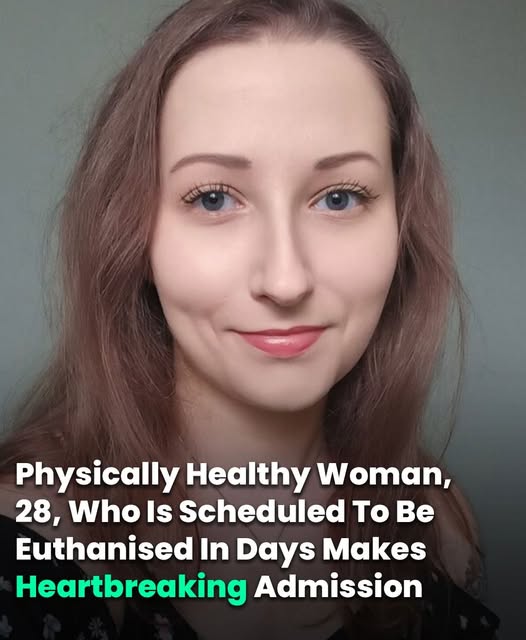
A 28-year-old woman in the Netherlands, Zoraya ter Beek, has drawn international attention after publicly stating her plan to pursue legal euthanasia in the coming month, despite not having a terminal physical illness. Her decision has resonated far beyond her home country, prompting discussion among healthcare professionals, ethicists, lawmakers, and everyday readers. What makes the case especially notable is not only the decision itself, but the broader questions it raises about how societies understand suffering, care, and personal agency in the context of mental health.
At the center of the conversation is how Dutch law approaches euthanasia. The Netherlands permits the practice only under narrowly defined conditions, requiring that a patient experience unbearable suffering with no reasonable prospect of improvement, alongside extensive medical review. In ter Beek’s case, eligibility was assessed based on long-term psychiatric conditions, including severe depression and developmental and personality-related diagnoses. She has described years of treatment involving therapy, medication, and intensive care, none of which brought lasting relief. Over time, she has said, repeated cycles of hope and disappointment became part of the burden itself.
Supporters of access to euthanasia for psychiatric patients argue that psychological suffering can be as limiting and consuming as physical illness. From this perspective, daily functioning, relationships, and a sense of self can be deeply affected, even when the pain is not visible. They emphasize that decisions like ter Beek’s are subject to multiple layers of evaluation by independent professionals, with safeguards intended to ensure careful, deliberate review rather than impulsive choice.
At the same time, many medical experts urge caution. Some point out that hopelessness and certainty about the future are symptoms often associated with depression, raising difficult questions about decision-making capacity. Others worry about broader implications, including whether expanding such options could shift attention away from improving mental health treatment, research, and long-term support systems. While ter Beek has spoken about feeling calm rather than distressed about her decision, her story has not offered simple answers. Instead, it has encouraged ongoing reflection about how societies define suffering, protect vulnerable individuals, and balance compassion with responsibility in modern healthcare.