
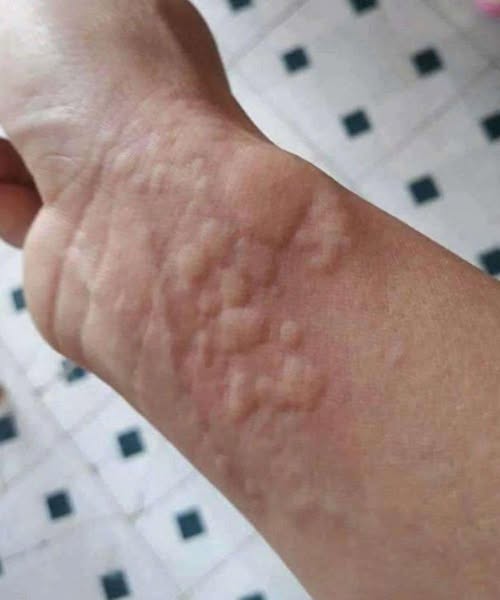
Hives are often seen as a minor skin issue, but in some cases, they can be an early warning sign of something far more serious. When they appear alongside symptoms like chest tightness, throat discomfort, wheezing, or swelling of the lips and face, it may indicate anaphylaxis—a rapid, whole-body response that requires immediate attention. What makes this especially concerning is that it can happen unexpectedly, even after years of tolerating the same foods, medications, or environments without any problems.
The body’s immune system can change over time, sometimes without clear warning. A substance that was once harmless may suddenly trigger a strong reaction. This unpredictability is why it’s important to recognize patterns of symptoms rather than dismiss them as isolated events. Hives combined with breathing difficulty or swelling should always be taken seriously, as they can escalate quickly if not addressed.
In these moments, quick action can make a critical difference. Calling emergency services, using a prescribed epinephrine auto-injector if available, and treating any breathing changes as urgent are essential steps. These responses are not overreactions—they are necessary precautions that can help protect your health and safety during a severe allergic episode.
As we get older, being attentive to changes in our body becomes even more important. Listening carefully to warning signs and acting promptly reflects awareness, not worry. Sharing this knowledge with others can also be valuable, helping more people recognize when a common symptom may point to something that needs immediate care.