
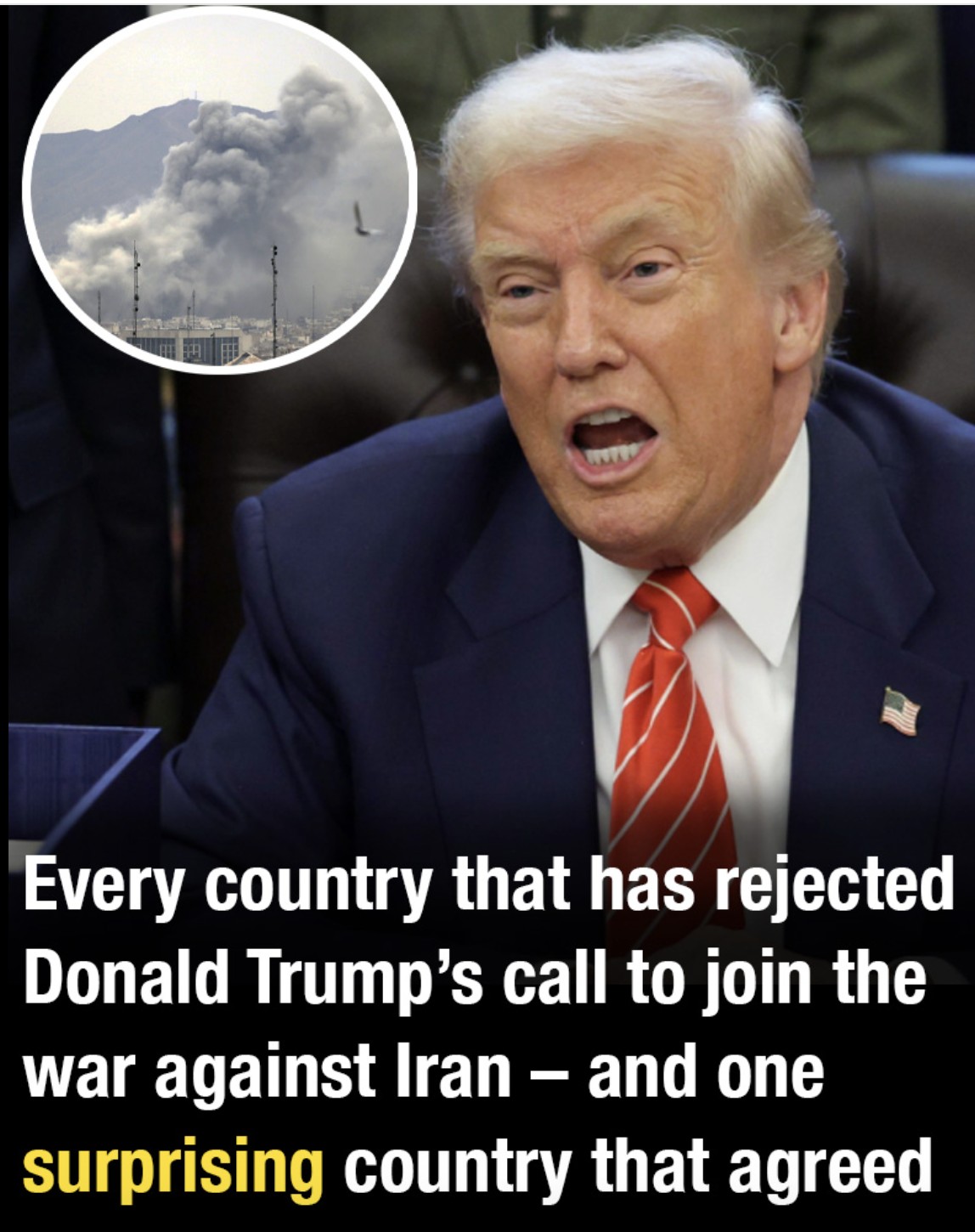
As more allies step back from Operation Epic Fury, a clearer picture is taking shape: Washington can no longer count on automatic backing simply because it asks for it. Countries such as Britain, Germany, and Italy appear increasingly cautious about tying themselves to military action when the purpose is uncertain and the potential consequences are severe. Their hesitation reflects more than diplomatic caution. It signals growing concern over escalation, regional instability, and the political fallout leaders may face at home if a conflict expands beyond expectations.
This shift also shows how international partnerships are changing in tone and structure. Support is becoming less open-ended and more dependent on specific interests, clearer outcomes, and shared risk assessments. In practical terms, that means allied governments are more likely to weigh domestic opinion, economic pressure, and security priorities before offering military or political backing. The era of reflexive alignment seems less certain, replaced by a more selective and calculated approach to cooperation.
At the same time, the response has not been one of complete withdrawal. Ukraine’s willingness to help address Iranian drone threats, even while managing its own war, suggests that modern alliances are increasingly shaped by immediate security concerns rather than broad symbolic loyalty. This kind of targeted support reflects a world in which countries choose involvement based on the issue at hand, not simply on traditional camp lines. It is a reminder that global cooperation still exists, but it now looks more focused, strategic, and conditional than before.
Trump’s remark, “We will remember,” adds another layer of tension to an already fragile moment. The statement suggests that future disputes may not be limited to adversaries alone, but could also involve partners who declined to participate. In that atmosphere, the absence of a strong coalition makes American power appear more exposed and less insulated than in previous crises. When fewer nations are willing to move in step, every decision carries greater weight, and the price of a miscalculation becomes much harder to contain.