
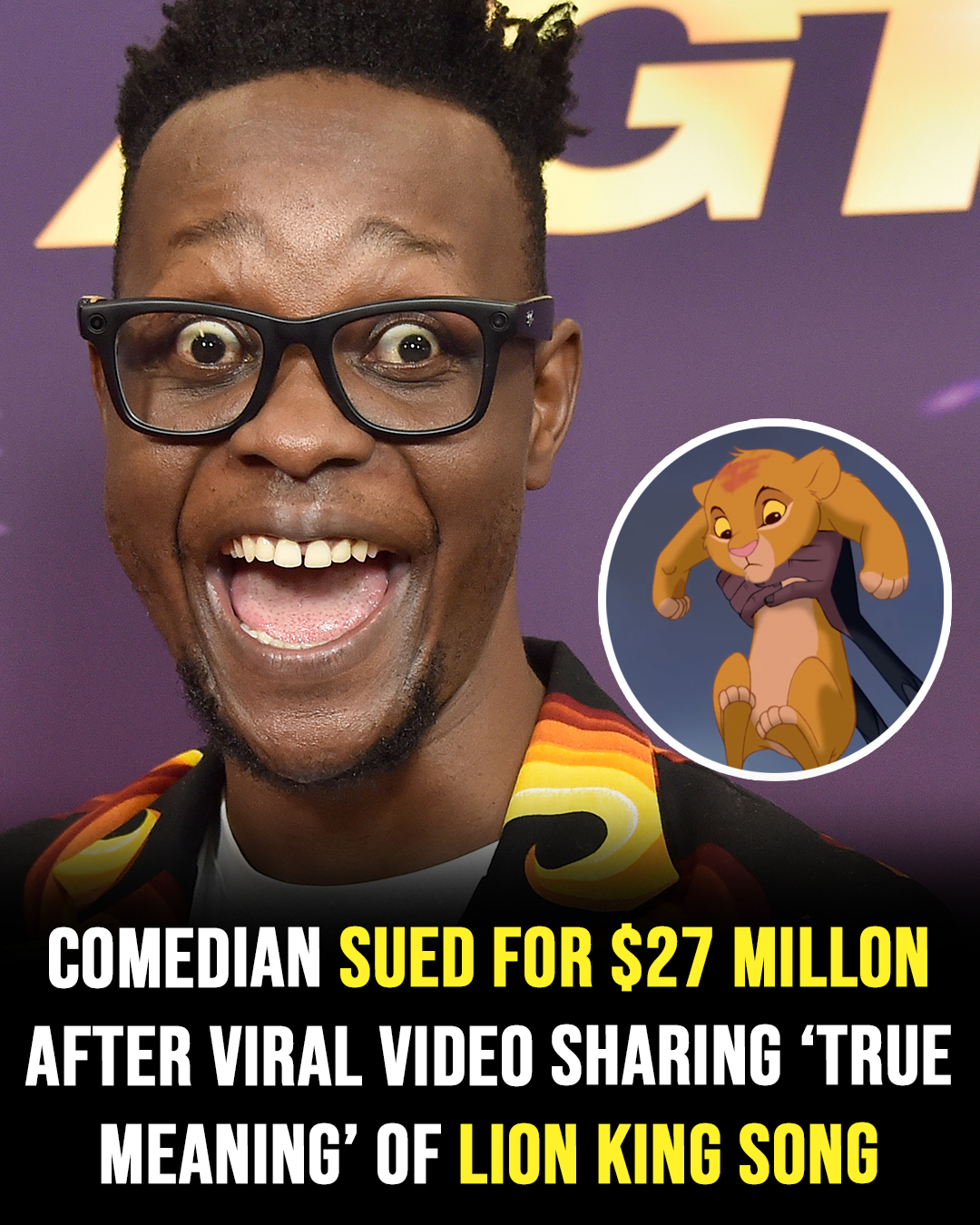
In an age where nostalgia carries real cultural and commercial weight, Lebohang Morake has made it clear that some things should not be reduced to punchlines. For him, the iconic opening chant of The Lion King is far more than a recognizable soundbite—it is rooted in praise poetry, a tradition that honors leadership, identity, and heritage. Hearing it reframed as a comedic misinterpretation struck him not just as inaccurate, but as a loss of meaning broadcast to a global audience that may not understand its origins.
On the other side, comedian Learnmore Jonasi sees humor as a space built on exaggeration, distortion, and creative freedom. His viral routine, designed to entertain, now sits at the center of a legal and cultural dispute. What began as a joke has escalated into a lawsuit filed in the United States, raising concerns about whether audiences were misled and whether such portrayals could impact Morake’s professional reputation and longstanding associations.
The situation brings forward a deeper, more complex question—one that goes beyond any single performance. Where does parody end and misrepresentation begin? Comedy has long relied on bending reality, but when it intersects with cultural expression, especially one with historical and spiritual roots, the stakes shift. What may seem like harmless humor to some can feel like erasure or distortion to others.
As the case unfolds, it reflects a broader tension shaping modern media: the balance between creative freedom and cultural responsibility. In a digital world where content spreads instantly and context is often lost, the line between homage, parody, and misinterpretation is becoming harder to define. However the outcome lands, the conversation itself signals something important—that meaning, especially when tied to identity and heritage, is not easily separated from the way it is shared with the world.