
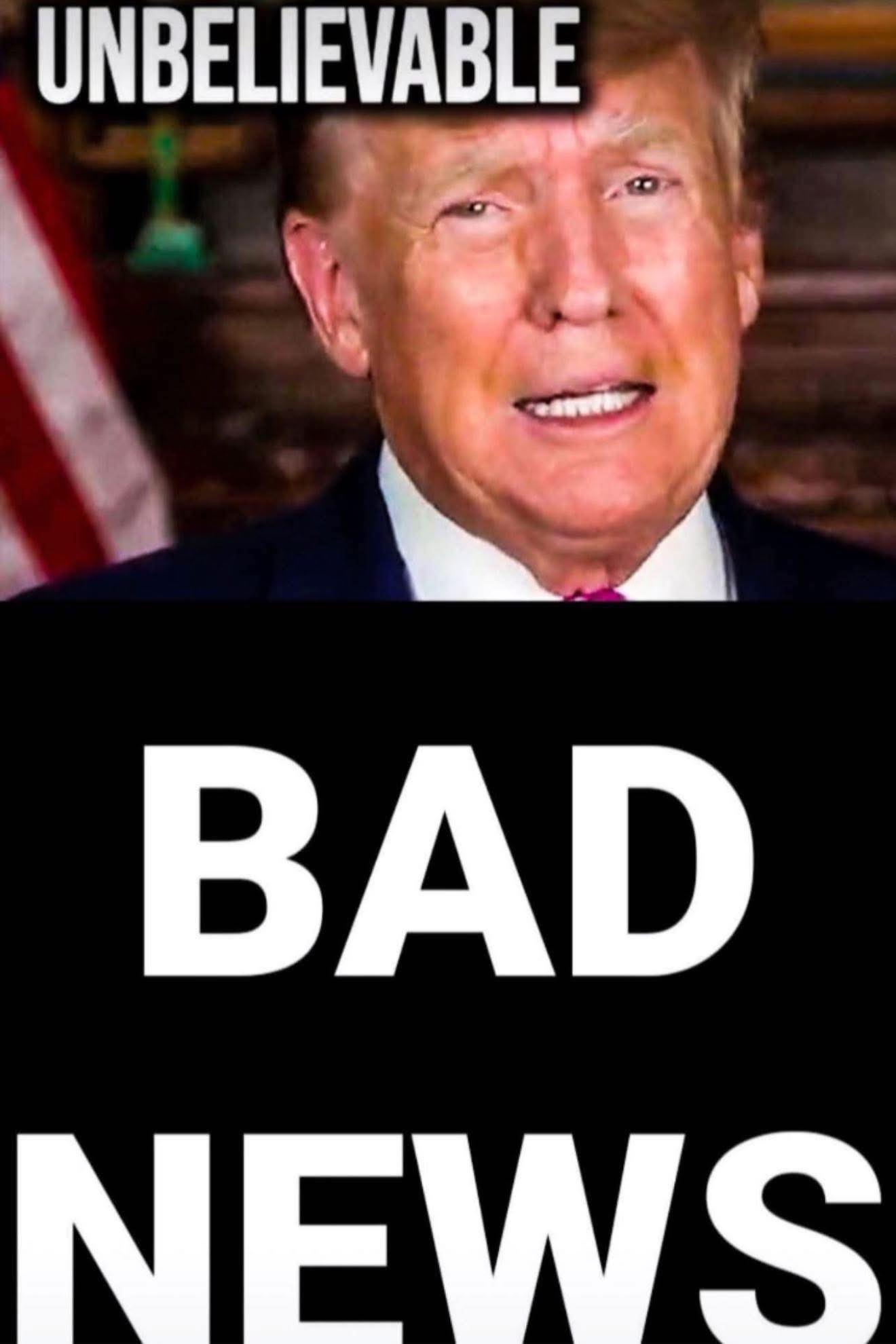
The United States entered unfamiliar territory when federal prosecutors brought charges against a former president for alleged efforts tied to overturning a national election result. The case describes a serious accusation: that attempts to challenge the 2020 outcome moved beyond rhetoric and into conduct aimed at disrupting a lawful transfer of power. In that sense, the moment is bigger than one political figure. It speaks to how far any democracy is willing to go in defending its institutions when they are tested from within.
For many Americans, the indictment represents a long-awaited demonstration that public office does not place anyone above the law. For others, it feels deeply personal and politically charged, reinforcing the belief that the system is being used against a leader they still support. That divide is part of what makes this chapter so consequential. The legal process may unfold in a courtroom, but its emotional impact is being felt around dinner tables, in workplaces, and across communities where politics already shapes daily life.
What happens next will matter not only because of the verdict, but because of the example it sets. A healthy society depends on more than elections alone; it also depends on shared confidence that rules apply fairly, even in the most sensitive cases. If the courts handle this moment with clarity, patience, and independence, they may help restore some trust in institutions that many people feel have grown fragile. If they do not, the sense of national strain could deepen even further.
In the end, this is not just a legal story or a political headline. It is a test of how a modern democracy responds when power, loyalty, and accountability collide. The outcome will shape public memory for years, but so will the process itself. However people interpret the case, one truth is hard to ignore: the country is watching not just to see what happens to one man, but to understand what kind of political culture America wants to carry forward.