
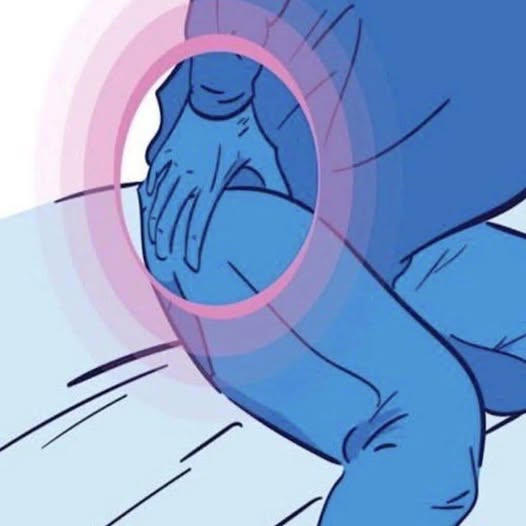
When a hip starts to squeak, click, pop, or grind, it’s tempting to ignore it and carry on. But the hip is one of the body’s main weight-bearing joints, and unusual sounds can sometimes signal that movement isn’t as smooth as it should be. Friction between joint surfaces may irritate nearby tissues, and over time, that irritation can influence comfort, flexibility, or how confidently you move through daily life.
If these sounds show up often or come with stiffness or discomfort, they’re worth paying attention to. Hip changes don’t affect only one age group—they can happen to anyone. Past injuries, repetitive movements, long hours of sitting, or physically demanding routines may all place added stress on the joint. When needed, healthcare professionals can assess hip function and use appropriate tools to better understand what’s happening beneath the surface.
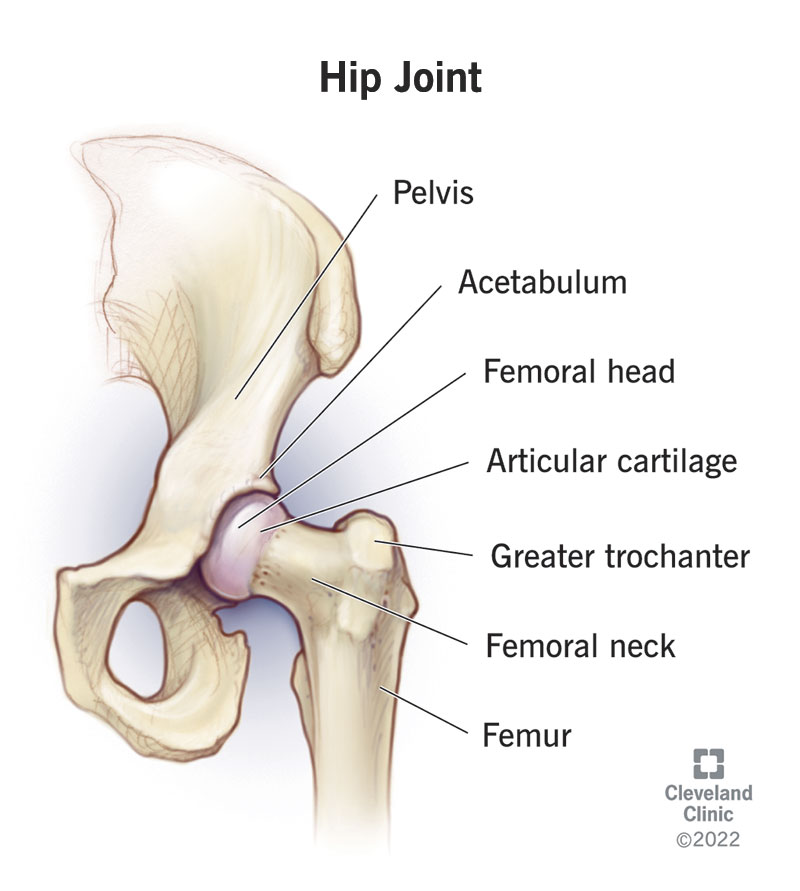

Movement is still important, even when discomfort appears. Gentle, low-impact activities like walking, swimming, or cycling can help maintain mobility without adding excessive strain. Strengthening the muscles around the hip also supports balance and stability. By listening to early signals and making thoughtful, gradual adjustments, you can support long-term hip comfort and move with greater ease and confidence.