
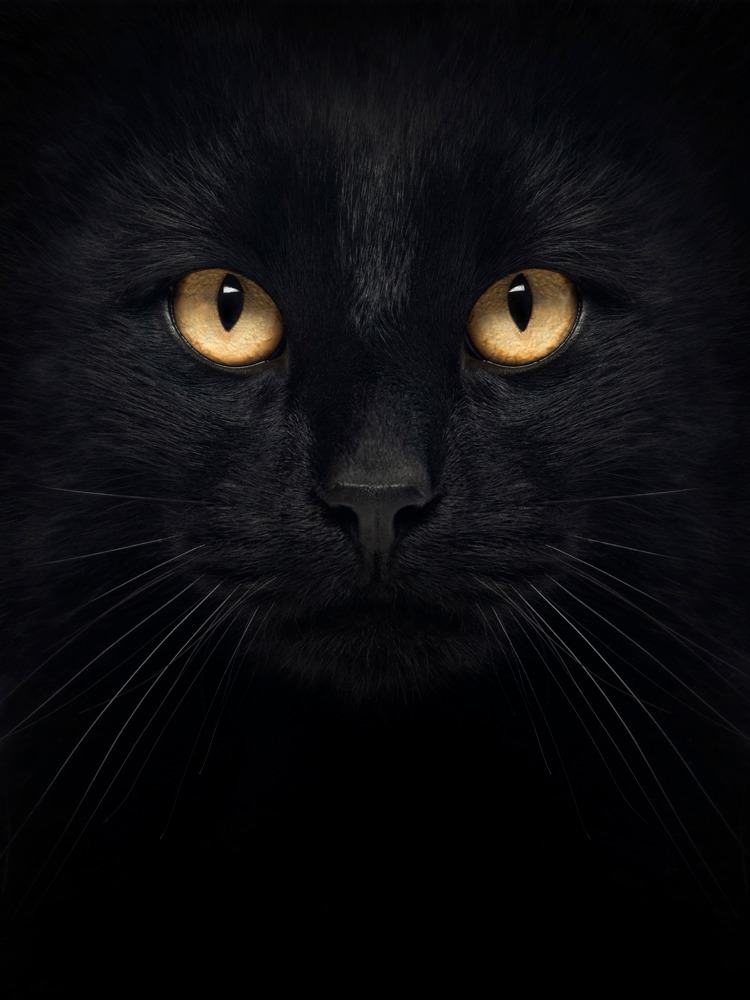
Many people instinctively hesitate when a black cat darts across their way, even if only for a heartbeat. That reaction isn’t random—it’s the result of centuries of storytelling, superstition, and cultural habits passed down over time. The same brief encounter can spark unease, comfort, or indifference depending entirely on what someone has learned to believe. In most cases, the response reveals far more about cultural conditioning than about the animal itself.
In medieval Europe, black cats became unfairly associated with fear and suspicion. Their dark coloring and nocturnal behavior were misunderstood, leading to myths that connected them with witchcraft and bad fortune. These ideas spread quickly, despite lacking evidence, and had lasting consequences. The widespread killing of cats reduced natural rodent control, which unintentionally worsened outbreaks of disease. History shows how powerful myths—when left unchallenged—can create real harm.
Elsewhere in the world, black cats were viewed in a completely different light. In Japan, they are often seen as symbols of good luck, especially in matters of love and prosperity. In parts of Britain, black cats were believed to bring protection to sailors and fortune to households. Ancient cultures, including those of Egypt, held cats in high regard regardless of color, seeing them as guardians, companions, and symbols of balance rather than omens.
In modern life, black cats are often tied to mystery or seasonal symbolism, but those who know them understand a simpler reality. Cats follow instinct, curiosity, and routine—not superstition. When a black cat crosses your path, it isn’t delivering a hidden message. Any meaning attached to that moment comes from personal belief. Sometimes, it’s worth remembering that not every pause needs an explanation—and not every symbol carries a sign.