
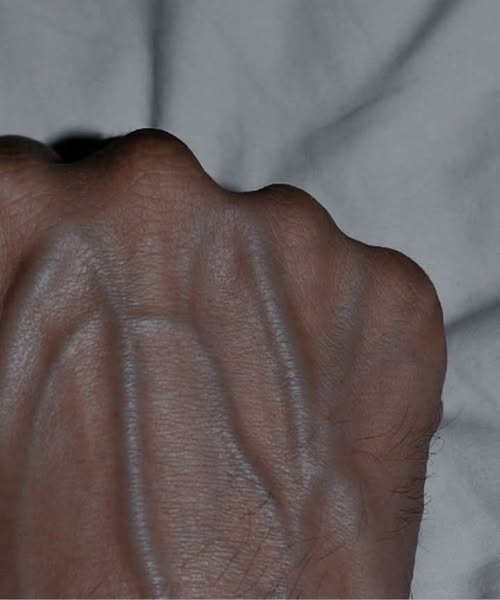
Visible or bulging veins are a common sight, especially on the hands, arms, and legs. In many cases, they’re completely harmless and simply reflect normal changes in the body. Factors such as intense exercise, aging, warm weather, tight clothing, genetics, sun exposure, and body weight can all make veins appear more prominent. When you work out, for example, muscles swell and push veins closer to the skin’s surface. As we age, skin naturally becomes thinner and loses elasticity, which can also make veins easier to see.
However, bulging veins sometimes signal circulation issues. Veins are responsible for carrying blood back to the heart, and they rely on small internal valves to keep blood flowing in the right direction. When those valves weaken or become damaged, blood can pool instead of moving efficiently. This may lead to varicose veins — enlarged, twisted veins most commonly found in the legs, though they can occasionally appear elsewhere. According to Cleveland Clinic, risk factors include smoking, obesity, family history, hormonal changes (particularly during pregnancy), and long periods of standing or sitting.
Most visible veins do not require treatment, but certain symptoms should not be ignored. Pain, swelling, skin discoloration, heaviness in the legs, or a burning sensation can indicate a more serious concern. Treatment options vary depending on severity and may include leg elevation, compression stockings, minimally invasive injection therapies, or surgical procedures in advanced cases. Early evaluation can help prevent discomfort from worsening.
If left untreated, significant varicose veins can lead to complications such as venous ulcers — slow-healing wounds that typically develop near the ankles — or increase the risk of blood clots, including deep vein thrombosis or pulmonary embolism, both of which require immediate medical attention. While it’s not always possible to prevent visible veins, you can reduce your risk by staying active, maintaining a healthy weight, avoiding prolonged sitting or standing, quitting smoking, and wearing loose-fitting clothing. Paying attention to circulation and addressing symptoms early can help protect both comfort and long-term vein health.