
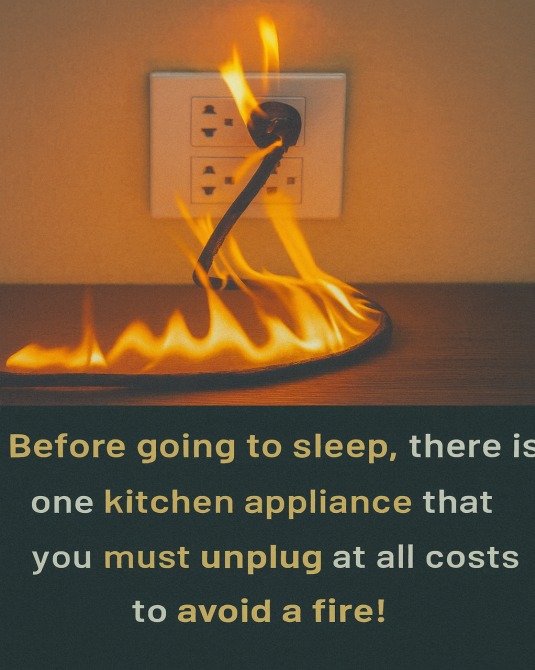
It’s easy to assume that turning something off is enough—but many household devices continue to draw power even when they’re not in use. This “phantom energy” quietly adds up, often costing households an extra $100 to $200 a year. Beyond the financial impact, keeping certain appliances plugged in unnecessarily can also increase safety risks, especially when heat or electrical faults are involved. Building the habit of unplugging is a small change that delivers meaningful long-term benefits.
Start with high-risk appliances. Space heaters should always be unplugged when not in use, as they are a common source of home fires if they overheat or come into contact with nearby materials. The same goes for hair tools like flat irons and curling wands, which can stay dangerously hot even after being switched off. Kitchen devices such as toasters and toaster ovens also deserve attention—crumb buildup can smolder, and older models may pose additional risks if left plugged in continuously.
Next, look at everyday electronics that quietly drain energy. Phone chargers, televisions, gaming consoles, and coffee makers often consume electricity around the clock, even when idle. While each device may seem insignificant on its own, together they create a steady, unnecessary draw. Unplugging them when they’re not needed—or grouping them on a switchable power strip—can noticeably reduce energy waste over time.
Finally, make it practical. You don’t need to unplug everything constantly—focus on the devices you use less frequently or those that generate heat. Smart power strips can simplify the process by cutting power to multiple items at once. With just a few consistent habits, you can lower your utility bill, reduce fire risk, and create a safer, more efficient home without adding complexity to your routine.