
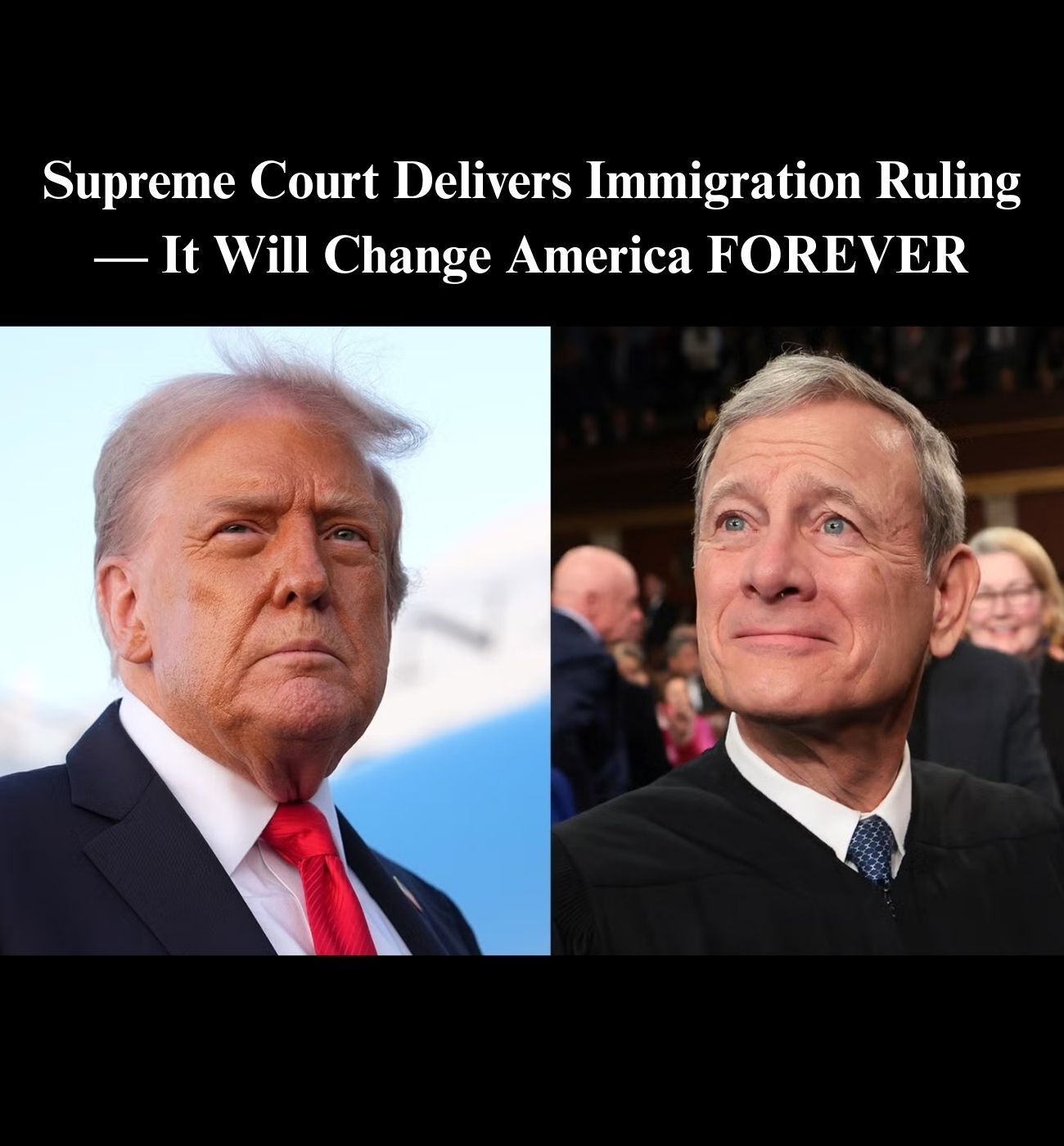
The Supreme Court of the United States recently allowed the administration of Donald J. Trump to move forward with plans to end temporary legal protections that had been granted to more than 500,000 migrants from Venezuela, Cuba, Haiti, and Nicaragua. The decision does not settle the broader legal debate but permits policy changes to proceed while ongoing challenges continue through the courts. For many observers, the ruling highlights how immigration policy in the United States often evolves through a combination of executive action and judicial review.
At the center of the dispute is a humanitarian parole program that had been expanded during the administration of Joe Biden. The initiative allowed certain migrants to enter or remain in the United States for limited periods, typically with work authorization and protection from immediate removal. The administration’s effort to end the program had been temporarily blocked by a federal ruling from Indira Talwani of the U.S. District Court in Massachusetts, but the Supreme Court’s recent action pauses that order while appeals move forward.
Legal analysts emphasize that the Court’s step is procedural rather than final. By lifting the lower-court restriction, the justices have allowed the administration to continue implementing its policy while judges in other courts review the broader legal questions. Those questions focus on how much authority the executive branch has to create or end immigration programs such as humanitarian parole.
The issue has drawn nationwide attention because of its potential impact on hundreds of thousands of people whose immigration status could change depending on the outcome of the case. Supporters of the policy shift argue that it strengthens immigration enforcement and clarifies federal authority. Critics, however, warn that ending the program could create uncertainty for families and communities who relied on the temporary protections. As appeals continue, the courts will ultimately determine how immigration policy and executive power intersect in this complex area of law.