
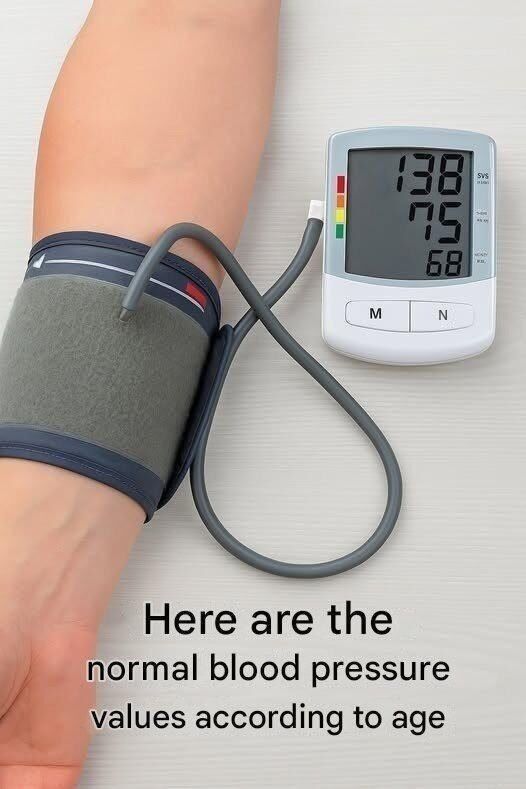
Blood pressure isn’t a fixed number that applies equally to everyone. It naturally varies based on age, gender, genetics, overall health, and daily habits. Factors such as long-term stress, limited physical activity, excess weight, smoking, and poor dietary choices can all influence readings over time. Because blood pressure often rises gradually without obvious symptoms, it’s commonly described as a “silent” measure of health—one that benefits from regular attention rather than occasional checks.
According to guidance from World Health Organization, maintaining healthy blood pressure is important throughout life, with increased focus after age 45. This stage is when the likelihood of developing hypertension and related cardiovascular conditions begins to rise. The WHO’s reference ranges help classify blood pressure as normal, elevated, or high, offering a practical framework for understanding risk and encouraging early preventive care.
Blood pressure itself reflects the force of blood pushing against artery walls as the heart works. It’s measured in millimeters of mercury (mmHg) and recorded using two numbers. The first, systolic pressure, captures the force when the heart contracts and pumps blood. The second, diastolic pressure, reflects the pressure when the heart relaxes between beats. Together, these values offer insight into how efficiently the heart and blood vessels are functioning.
Both numbers matter. When either remains consistently elevated, the cardiovascular system can experience added strain, increasing the risk of conditions such as heart disease, stroke, and kidney issues. Regular monitoring—paired with supportive habits like balanced nutrition, movement, stress management, and professional medical guidance when needed—plays a key role in maintaining healthy blood pressure and supporting long-term well-being.