
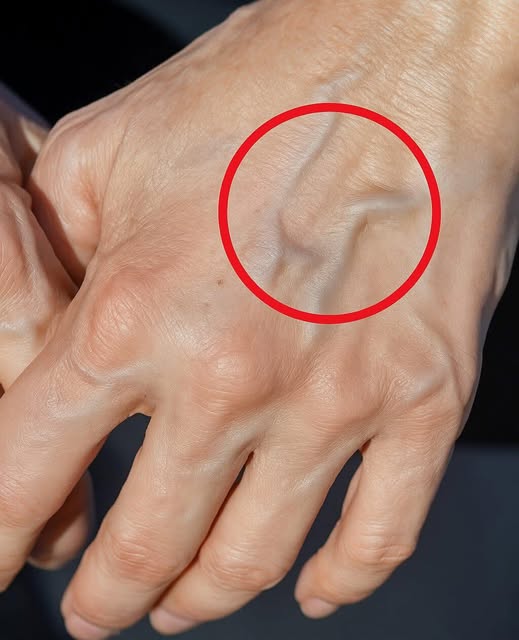
Bulging veins are often harmless and may simply be a natural change in appearance. They can become more noticeable due to factors such as exercise, aging, warm weather, tight clothing, genetics, or body weight. In most cases this is not a cause for concern, but it’s best to consult a healthcare professional if veins appear painful or change color.
Bulging happens when veins are placed under pressure and blood flow is affected, which can sometimes lead to varicose veins. These enlarged veins are most commonly seen in the legs but may also appear in the arms. Contributing factors can include family history, weight, lifestyle habits, hormonal changes, or spending long periods standing or sitting.
Ways to manage vein concerns vary depending on the situation. Supportive options may include wearing compression stockings, elevating the legs, or medical treatments such as injections. In more advanced cases, a healthcare provider might recommend procedures to improve circulation and reduce discomfort.
Taking preventive steps can help lower the likelihood of vein problems. These include regular physical activity, maintaining a balanced weight, avoiding smoking, and choosing loose, non-restrictive clothing. Seeking professional advice can provide guidance tailored to individual needs.