
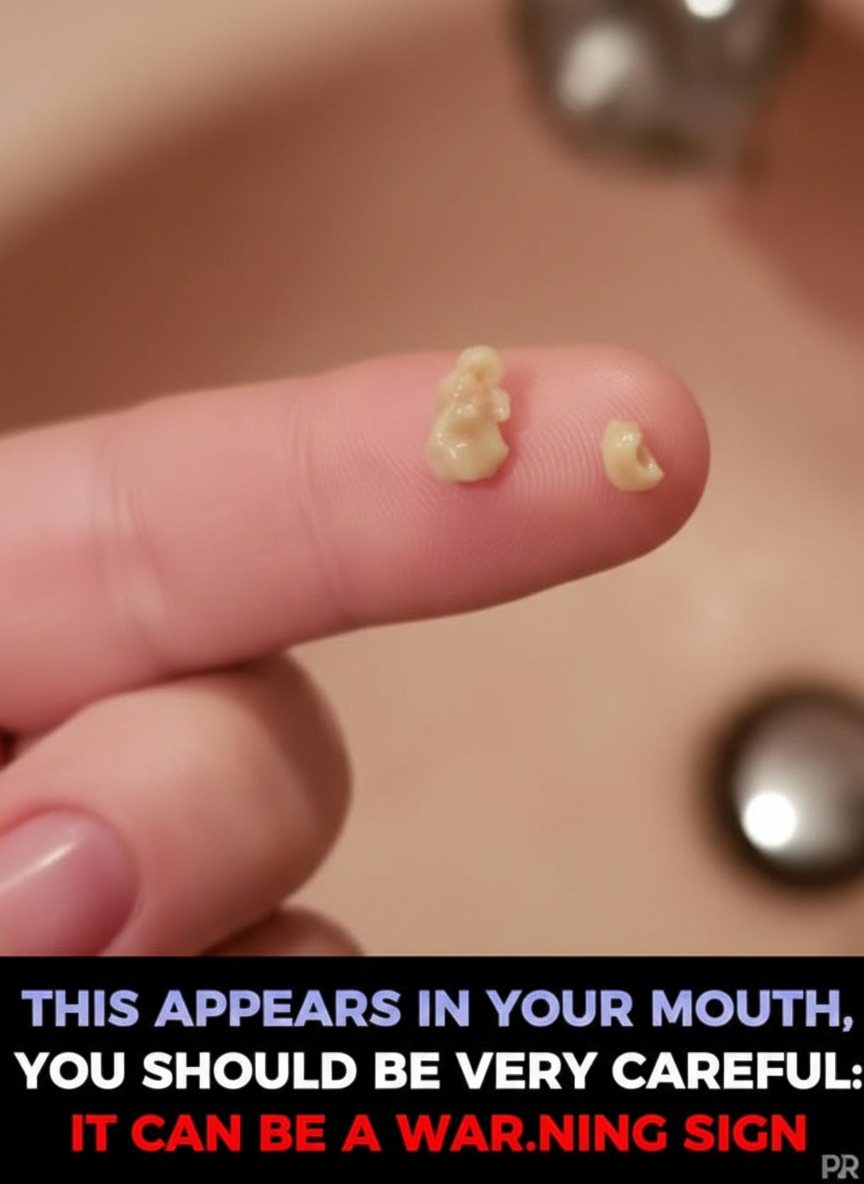
In today’s digital landscape, unexpected health topics can quickly become online sensations, and tonsil stones are a recent example. Once rarely discussed outside medical settings, these tiny formations have gained attention through widely shared removal videos that spark both curiosity and discomfort. While the visuals may surprise some viewers, the growing conversation has encouraged many people to learn more about an issue that is more common than they might think.
Tonsil stones—medically known as tonsilloliths—develop when small particles such as food residue, bacteria, and dead cells collect in the natural folds of the tonsils. Over time, this material can harden into pale, pebble-like deposits. Although generally harmless, they may contribute to symptoms like persistent bad breath, throat irritation, mild coughing, or occasional ear discomfort. Health organizations note that millions of individuals encounter tonsil stones each year, often without realizing it because the condition can remain symptom-free.
Managing tonsil stones is typically straightforward and often begins with gentle at-home care. Gargling with warm salt water, maintaining consistent oral hygiene, and staying hydrated can help reduce buildup. Some people are able to dislodge small stones through natural coughing, while others may prefer guidance from a dental or medical professional if the issue becomes recurring. Seeking expert advice is always a wise choice when symptoms persist or cause concern.
The surge in online interest serves as a reminder of how social media can transform lesser-known health topics into widespread discussions almost overnight. Beyond the shock factor, this attention can promote awareness and encourage proactive self-care. Whether people find the subject intriguing or prefer to look away, understanding tonsil stones helps normalize conversations about everyday health and empowers individuals to pay closer attention to their overall wellness.