
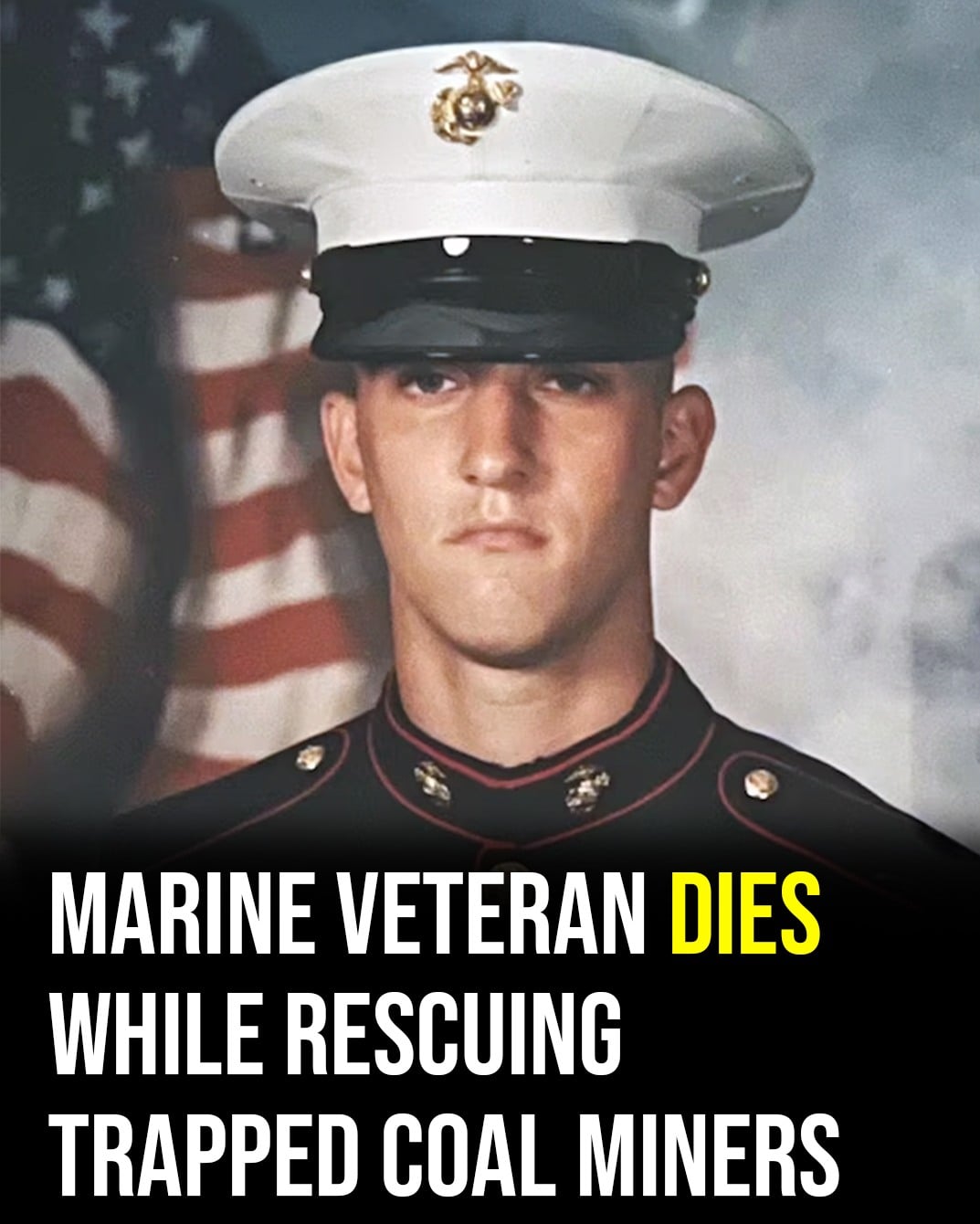
Steven M. Lipscomb lived a life shaped by decisions few people ever have to make—choices where stepping forward meant stepping into danger so others wouldn’t have to. From surviving a roadside bomb in Iraq to holding his ground during a mine collapse in West Virginia, his actions followed a consistent pattern: if there was risk to be taken, he took it. In Fallujah, that courage earned him a Purple Heart. Years later, in a very different setting, it cost him his life—but not before helping save 17 others.
Those who worked alongside him remember more than just bravery. They speak of steadiness, of a man who didn’t need to raise his voice to lead. In moments of crisis, his calm presence carried weight, giving others the confidence that they would make it through. It wasn’t loud or dramatic—it was quiet, dependable, and deeply rooted in who he was.
At home, that same man was simply Steve. A husband and father who showed up, even after long shifts underground, still making time to coach, to listen, to be present. The heroism others saw in extraordinary moments was, for his family, part of his everyday character. It was reflected in the small, consistent ways he cared for them.
Now, his wife Heather and daughters, Greer and Stella, carry forward a legacy defined not by titles, but by actions. It lives in the idea of going back for one more person, of choosing the harder path when it matters most. For the world, he may be remembered as a hero. For them, he was something even more personal—the steady center of their lives, lost because he stayed true to the very instinct that defined him.