
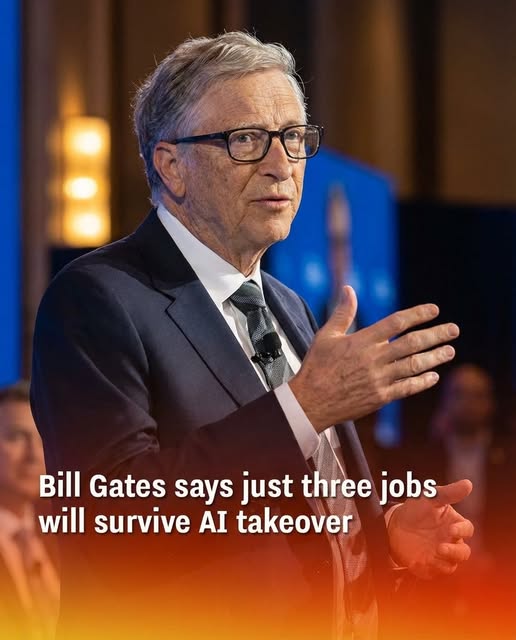
As artificial intelligence continues to reshape industries, the question people keep asking is simple but urgent: which jobs are truly safe? Tech leaders like Bill Gates have suggested that while AI will transform the workplace, it won’t erase the need for human expertise altogether. Instead, it will redraw the boundaries of what work looks like. His perspective has fueled ongoing conversations, especially as businesses increasingly rely on AI tools to streamline operations and boost efficiency.
There’s no doubt that AI is already changing how work gets done. From automating repetitive tasks to assisting with complex analysis, it has become a powerful tool across industries. But even the most advanced systems still depend on human input. They lack context, intuition, and ethical judgment—qualities that remain essential in real-world decision-making. Rather than replacing people outright, AI often shifts their role, freeing them from routine work while increasing the importance of oversight and creativity.
Gates has pointed to a few fields where human involvement is expected to remain especially important. Software development is one of them, as AI systems still need people to design, refine, and troubleshoot them. Scientific research, particularly in areas like biology, also depends heavily on human curiosity and the ability to ask new questions—something machines can’t independently replicate. And in sectors like energy, where infrastructure and safety are critical, the need for experienced professionals remains strong due to the complexity and responsibility involved.
The bigger picture is less about jobs disappearing and more about jobs evolving. Many roles will change, blending technical tools with human skills in new ways. Adaptability, problem-solving, and creative thinking are likely to become even more valuable as AI becomes part of everyday workflows. In the end, the future of work isn’t a contest between humans and machines—it’s a partnership, where each does what it does best.