
For thousands of years, tattoos have carried stories that go far beyond the surface. From the ancient Egyptians to Polynesian warriors, body art has served as a marker of identity, faith, courage, and belonging. What began as sacred ritual and social distinction has evolved into a powerful form of self-expression. In today’s world, tattoos are seen as wearable art — a blend of creativity and emotion that allows people to capture their beliefs, milestones, and memories in ink.
Every design tells its own story. Some tattoos celebrate transformation — the birth of a child, recovery from loss, or triumph over hardship. Others reflect more abstract values like freedom, peace, or resilience. Even the simplest patterns can hold deep meaning, acting as silent companions that remind the wearer of where they’ve been and who they’ve become. In this way, tattoos merge art and emotion, making the skin a living canvas for personal history.
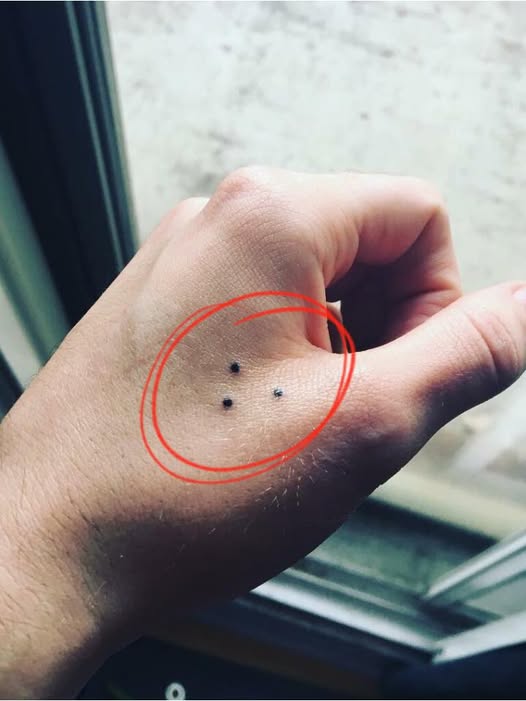
Among the many minimalist designs gaining attention, the three-dot tattoo stands out for its layered symbolism. To some, the dots represent harmony between body, mind, and spirit, or the moral mantra of “see no evil, hear no evil, speak no evil.” Its understated form makes it universally relatable, a small yet profound reminder of mindfulness or balance. However, in certain cultural or historical contexts — including prison and street culture — the same symbol can take on a very different meaning, representing loyalty, resilience, or even shared struggle.
This contrast underscores the beauty and complexity of body art: a single design can hold multiple truths. The meaning of the three-dot tattoo ultimately rests in the story of the person who wears it. Whether it symbolizes peace, strength, or survival, its power lies in connection — between self and society, art and memory, the past and who we continue to become.