
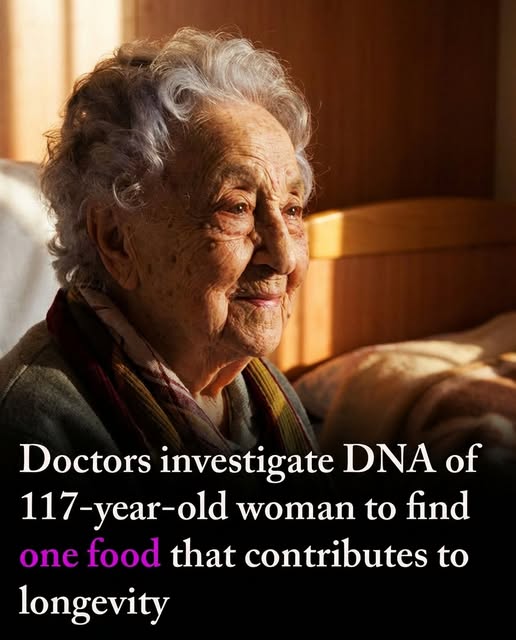
For generations, scientists have searched for reliable clues to longer, healthier lives. That search gained new momentum with the remarkable case of Maria Branyas Morera, who lived to 117 years old. After her passing in 2024, researchers were given the rare opportunity to study her DNA — and what they uncovered suggests that longevity may be shaped by a powerful partnership between genetics and everyday habits. Her life story, spanning more than a century of global change, is now helping scientists better understand how some individuals age with exceptional resilience.
Born in 1907 in San Francisco before later settling in Catalonia, Spain, Maria experienced world wars, economic upheaval, and dramatic cultural shifts. Yet those who knew her described a steady, grounded woman who prioritized family, routine, and emotional balance. Before her death, she requested that scientists analyze her biology to uncover what contributed to her extraordinary lifespan. Researchers from the University of Barcelona and the Josep Carreras Leukaemia Research Institute studied her cells and observed markers typically associated with much younger individuals. According to reports, her cholesterol levels, inflammatory markers, and cellular activity reflected a vitality rarely seen at such an advanced age.
While genetics clearly played a role, lifestyle habits stood out as equally significant. Maria avoided smoking and excessive alcohol, maintained close family connections, and stayed mentally engaged. One detail that intrigued researchers was her daily consumption of yogurt — a food rich in probiotics that support gut health and reduce inflammation. A balanced microbiome is increasingly linked to overall wellbeing, immune strength, and even healthy aging. Her nutrient-rich breakfast habits and simple, consistent routine reinforced a pattern of steady, sustainable care rather than extreme health measures.
Scientists also examined her telomeres — protective caps at the ends of chromosomes that naturally shorten as we age. In Maria’s case, these structures appeared unusually well-preserved, potentially shielding her from certain age-related diseases. While no single food or habit guarantees longevity, experts suggest her case reflects a broader principle: inherited biology may provide a foundation, but daily choices help shape outcomes. Her story offers an encouraging reminder that long life is not solely about avoiding aging — it’s about cultivating balance, connection, and mindful habits that support vitality over time.