
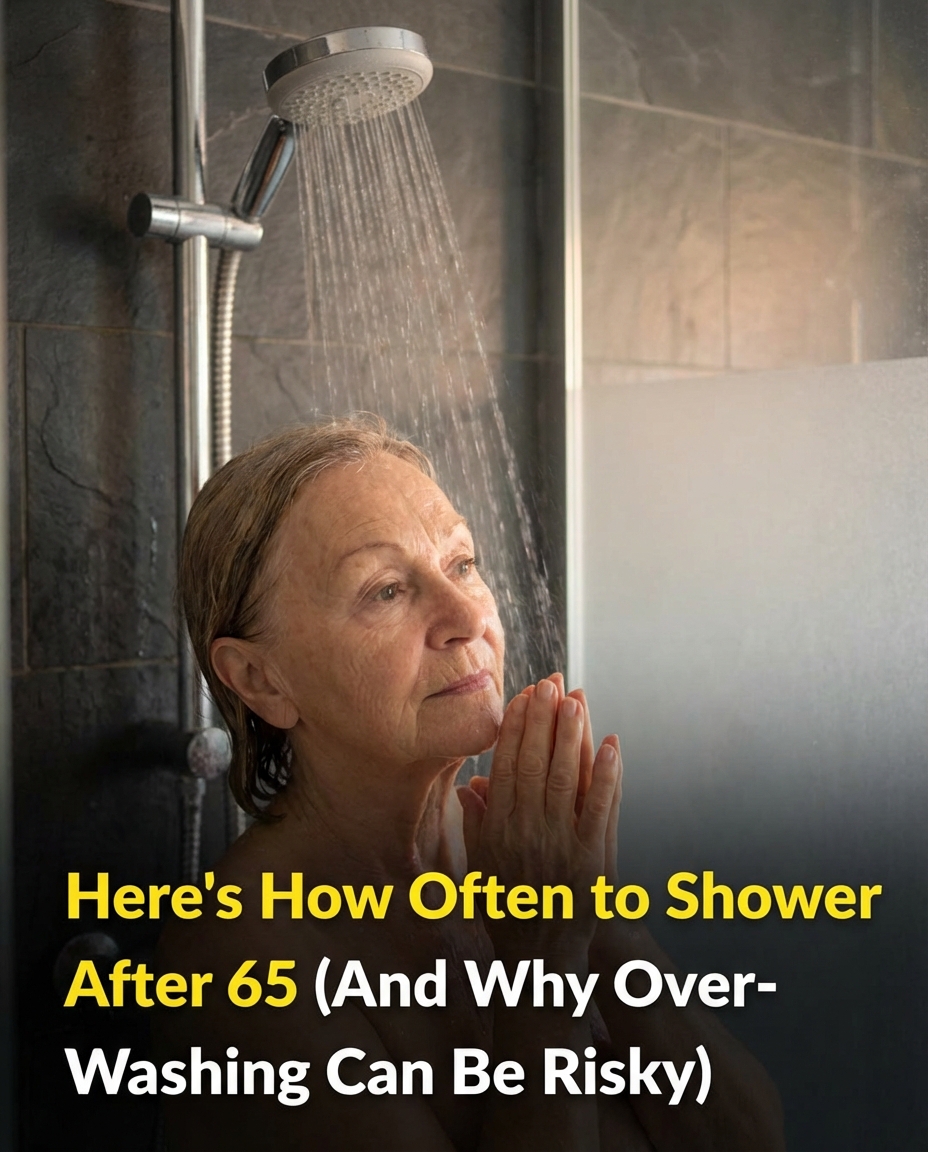
If you’re over 65 and your skin feels drier or more sensitive than it once did, you’re not imagining it. Many people continue the same daily hot-shower routine they followed for decades, assuming it’s the best way to stay clean and refreshed. But as skin ages, it naturally becomes thinner and produces fewer protective oils. What once felt invigorating can begin to leave skin tight, flaky, or irritated — even when you’re using your usual lotion afterward.
Over time, aging skin loses some of its ability to retain moisture. Long, hot showers can wash away the limited natural oils that remain, weakening the skin’s protective barrier. Strong soaps, heavily fragranced body washes, and vigorous scrubbing may add to the problem. The result can be dryness, itching, or redness that seems to appear suddenly but is often the product of repeated daily habits.
A gentler approach can make a noticeable difference. Many dermatology professionals suggest that full-body showers every other day — or several times a week — are often sufficient for hygiene, depending on your activity level. On in-between days, washing the face, hands, and areas prone to perspiration can keep you feeling clean without drying out your entire body. Using lukewarm water instead of hot, choosing fragrance-free cleansers, limiting shower time, and applying a rich moisturizer immediately afterward while the skin is still slightly damp can help maintain hydration.
Everyone’s comfort level is different, and daily showers may still feel essential to your routine. The key is balance: shorten the duration, avoid very hot water, use mild products, and gently pat skin dry instead of rubbing. Aging doesn’t require sacrificing cleanliness — it simply calls for small adjustments that support your skin’s changing needs. With thoughtful tweaks, you can stay refreshed while keeping your skin comfortable and resilient.