
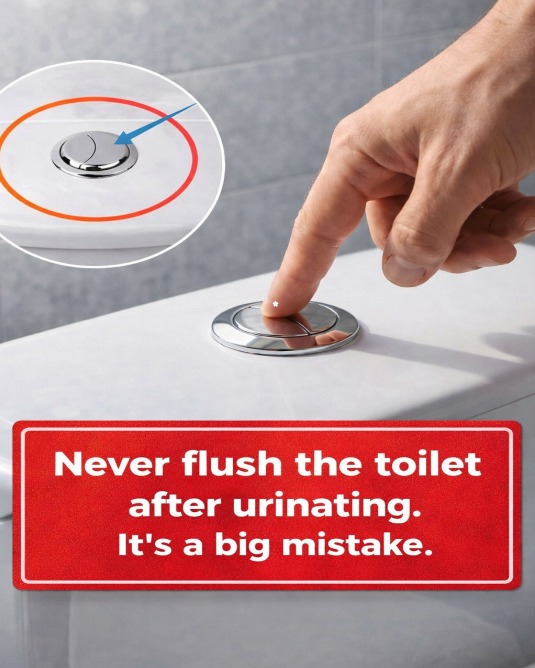
Flushing the toilet is such a routine action that it often happens without a second thought. However, becoming more mindful of everyday habits can open the door to simple ways of conserving water. For households interested in sustainability, reevaluating when and how often to flush—particularly for liquid waste—can be one small step toward reducing overall water use while still maintaining cleanliness and comfort.
Modern toilets typically use several liters of treated water with each flush. Considering how frequently toilets are used throughout the day, that consumption can add up quickly over weeks and months. In regions where water resources are carefully managed, even modest conservation efforts can make a meaningful difference. Awareness doesn’t require drastic lifestyle changes—just a willingness to notice where adjustments might help limit unnecessary waste.
Some families follow a flexible approach, flushing based on practical need rather than strict habit. The key is balance: maintaining a sanitary bathroom should always come first. Regular cleaning, proper ventilation, and attention to odors all contribute to a hygienic environment. If delaying a flush ever affects comfort or cleanliness, it’s best to flush promptly. Thoughtful routines work best when they support both health standards and environmental responsibility.
For those looking to make longer-term improvements, water-efficient fixtures can provide added benefits. Dual-flush systems, for example, allow users to select a lower-water option when appropriate, helping reduce consumption without compromising performance. Ultimately, responsible water use begins with small, informed choices. By staying attentive to daily practices, households can protect valuable resources while keeping their homes fresh, functional, and welcoming.