
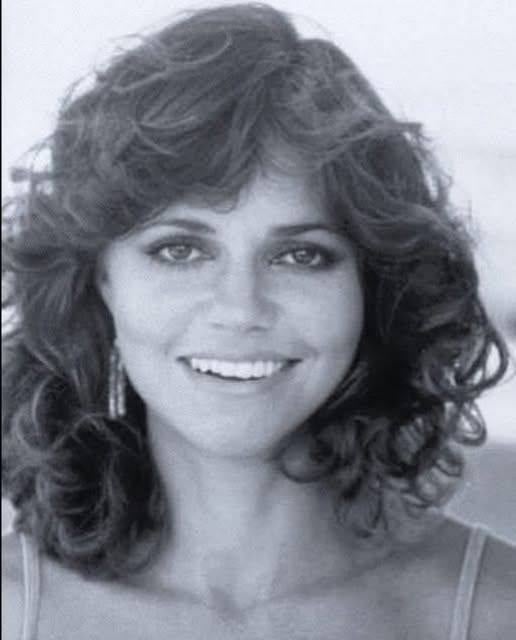
Few actors have built a career on emotional honesty the way Sally Field has. From the determined labor activist in Norma Rae to her layered portrayal of Mary Todd Lincoln in Lincoln, her work has always been rooted in authenticity rather than surface charm. Long before the awards and critical praise, she began in television comedies where warmth and relatability made her instantly recognizable. Yet even early in her career, she resisted the idea that being likable was enough. What she pursued instead was truth—messy, vulnerable, and human.
That commitment has carried through decades of shifting trends in Hollywood. Field has spoken openly about difficult relationships, the pressures of the entertainment industry, and the self-doubt that often shadows even the most successful performers. Rather than framing these experiences as dramatic revelations, she reflects on them with perspective and empathy. Her approach feels less like confession and more like interpretation—looking back at the past with clarity, humor, and a strong sense of personal boundaries.
Now in her late seventies, Field stands as a quiet challenge to Hollywood’s long-standing fixation on youth. While many careers fade as the spotlight shifts, she has remained relevant by leaning into experience instead of hiding it. Her public conversations often sound less like promotional appearances and more like thoughtful exchanges with someone who has spent years examining her life and learning from it. That sense of reflection resonates with audiences who recognize the value of honesty over image.
The result is a legacy built on more than memorable performances. The roles made Sally Field a celebrated actor, but it is her willingness to be transparent about growth, struggle, and resilience that keeps people listening. In an industry often defined by reinvention, her influence comes from something simpler and far rarer: the courage to remain fully, unmistakably herself.