
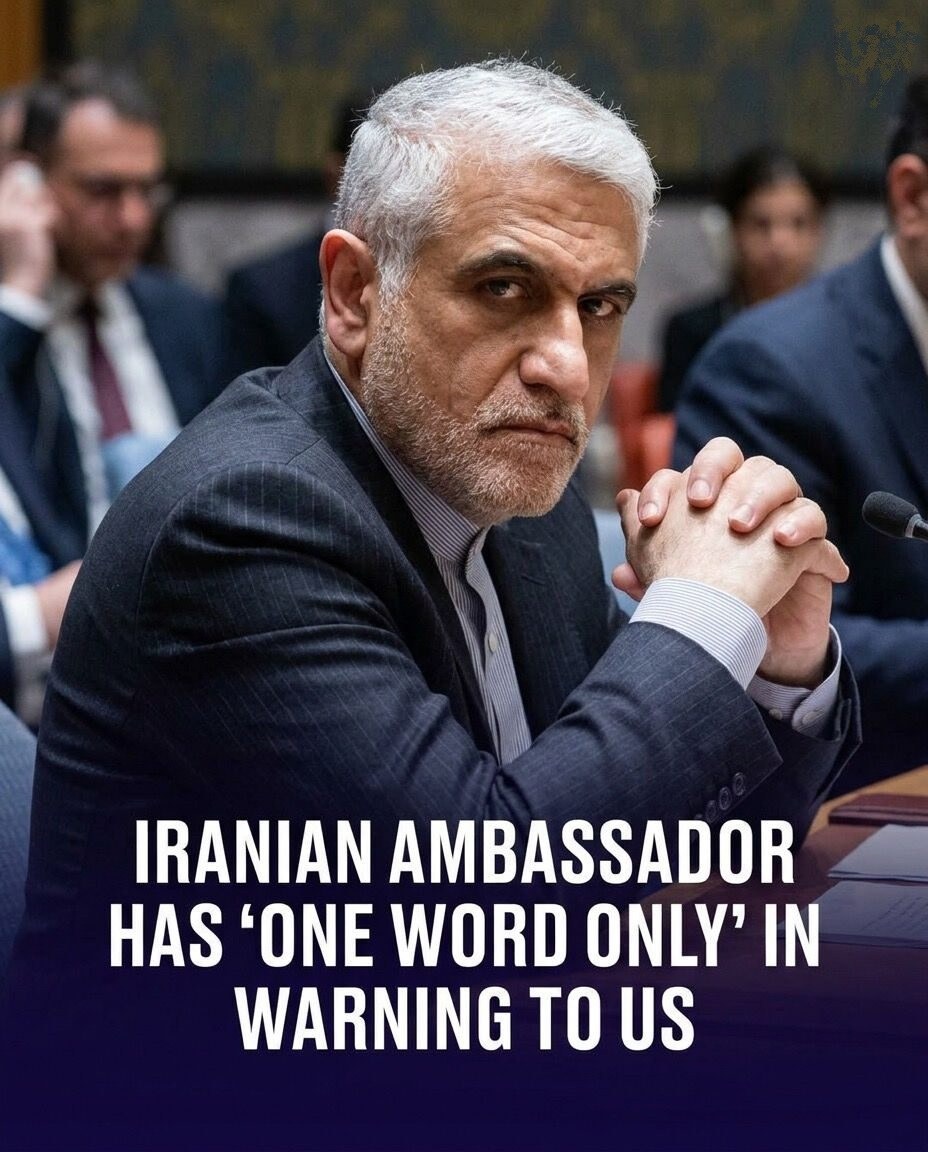
The announcement of coordinated military strikes involving the United States and Israel against sites inside Iran sent immediate shockwaves across the region. The operation signaled one of the most serious spikes in tension in recent years, moving a long-standing rivalry into a more direct military phase. Officials said the strikes targeted locations connected to missile production and military infrastructure, actions they described as efforts to limit capabilities considered a strategic threat.
According to statements attributed to Donald Trump, the objective of the operation was to weaken elements of Iran’s missile program and reduce risks to regional allies. Military analysts note that operations of this kind typically focus on disrupting production facilities, storage sites, and command infrastructure linked to long-range weapons systems. Iranian officials acknowledged damage to certain locations but condemned the strikes, calling them violations of national sovereignty.
In response, leaders in Tehran warned that retaliation could occur through multiple channels, including missile launches, cyber activities, or actions carried out by allied groups across the region. Such statements raised concern among neighboring states that tensions could escalate further. Security experts often describe these situations as part of an “escalation ladder,” where each side responds with calibrated actions meant to demonstrate strength while attempting to avoid a wider conflict.
Beyond the immediate military dimension, the situation has also sparked humanitarian and economic concerns. Some of the targeted areas were near populated zones, prompting emergency services to respond to damage and injuries. Meanwhile, global energy markets reacted quickly to the uncertainty, with traders closely watching key shipping routes and oil supplies from the region. International leaders and organizations have urged restraint, emphasizing that diplomacy and de-escalation will be essential in preventing the crisis from expanding into a broader regional conflict.