
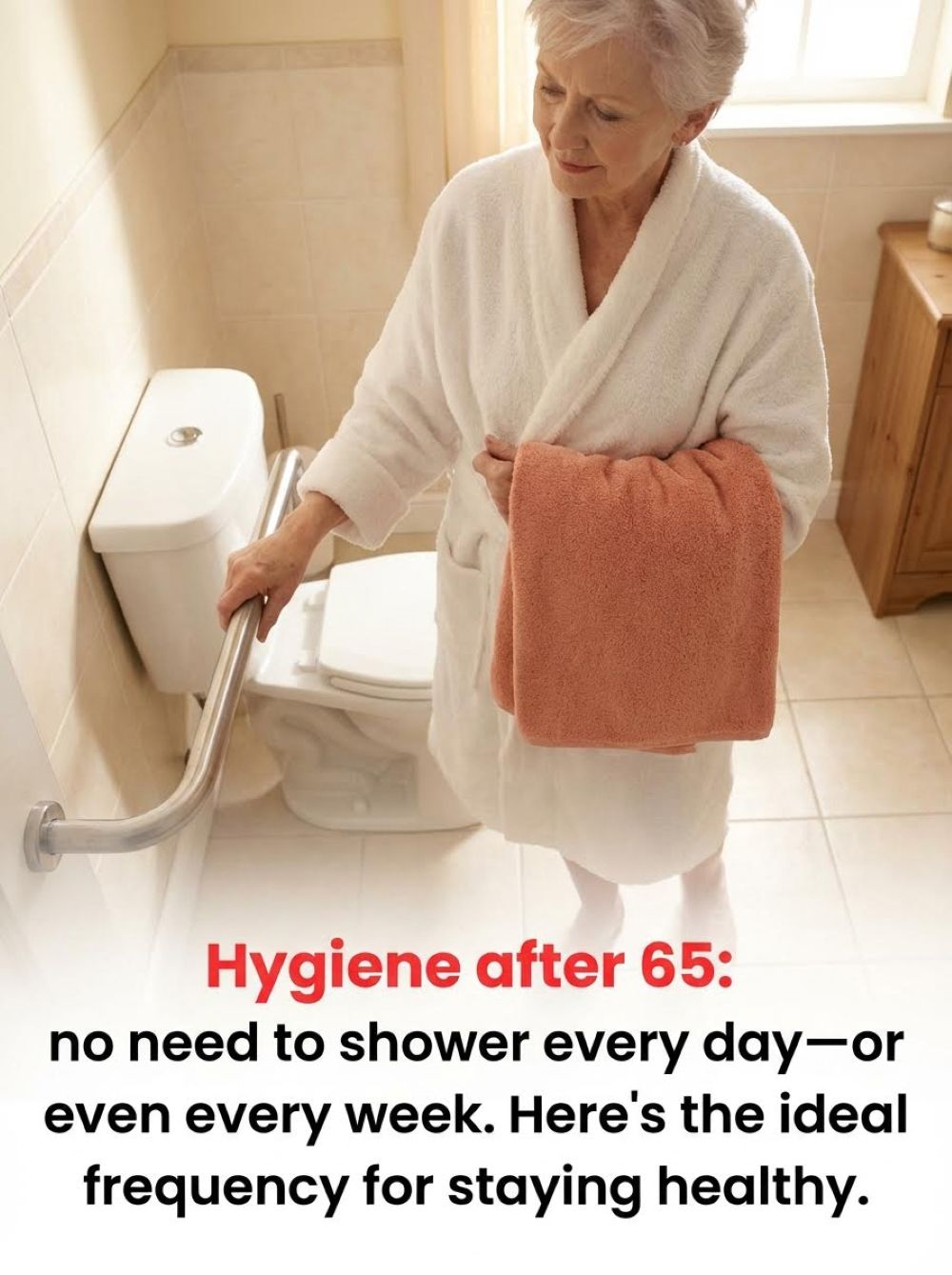
Daily showering is often seen as a cornerstone of good hygiene, a habit many of us carry from childhood into adulthood without much thought. Yet as we move through our later years, the body naturally changes, and so do its needs. After age 65, skin and energy levels may respond differently to routines that once felt invigorating. This doesn’t lessen the value of staying clean—it simply opens the door to more mindful, comfort-first approaches that still honor personal care.
With age, skin tends to become more delicate and produces fewer natural oils that keep it soft and resilient. Frequent showers—particularly those taken with hot water or harsh soaps—can strip away this protective layer faster than it can be replenished. The result may be tightness, dryness, or irritation. Many experts encourage older adults to reassess how often they bathe and to choose gentle cleansers that support the skin’s natural balance while maintaining a fresh, clean feel.
Everyday practicality also plays a role in shaping bathing habits later in life. Showering can demand strength, balance, and stamina, all of which may fluctuate over time. Standing for long periods or managing slick surfaces can feel more taxing than before. For some, showering less often can ease physical strain and preserve energy. On non-shower days, simple routines—like washing essential areas, changing into clean clothes, and keeping hands and face fresh—can go a long way toward feeling comfortable and confident.
Ultimately, personal care after 65 is not about rigid rules but about listening to your body. There’s no universal schedule that suits everyone. Some people continue to enjoy frequent showers, while others feel better with fewer, gentler baths. Opting for lukewarm water, mild products, and moisturizing afterward can make a noticeable difference. By staying flexible and responsive to what feels best, older adults can maintain cleanliness in a way that supports comfort, health, and everyday well-being.