
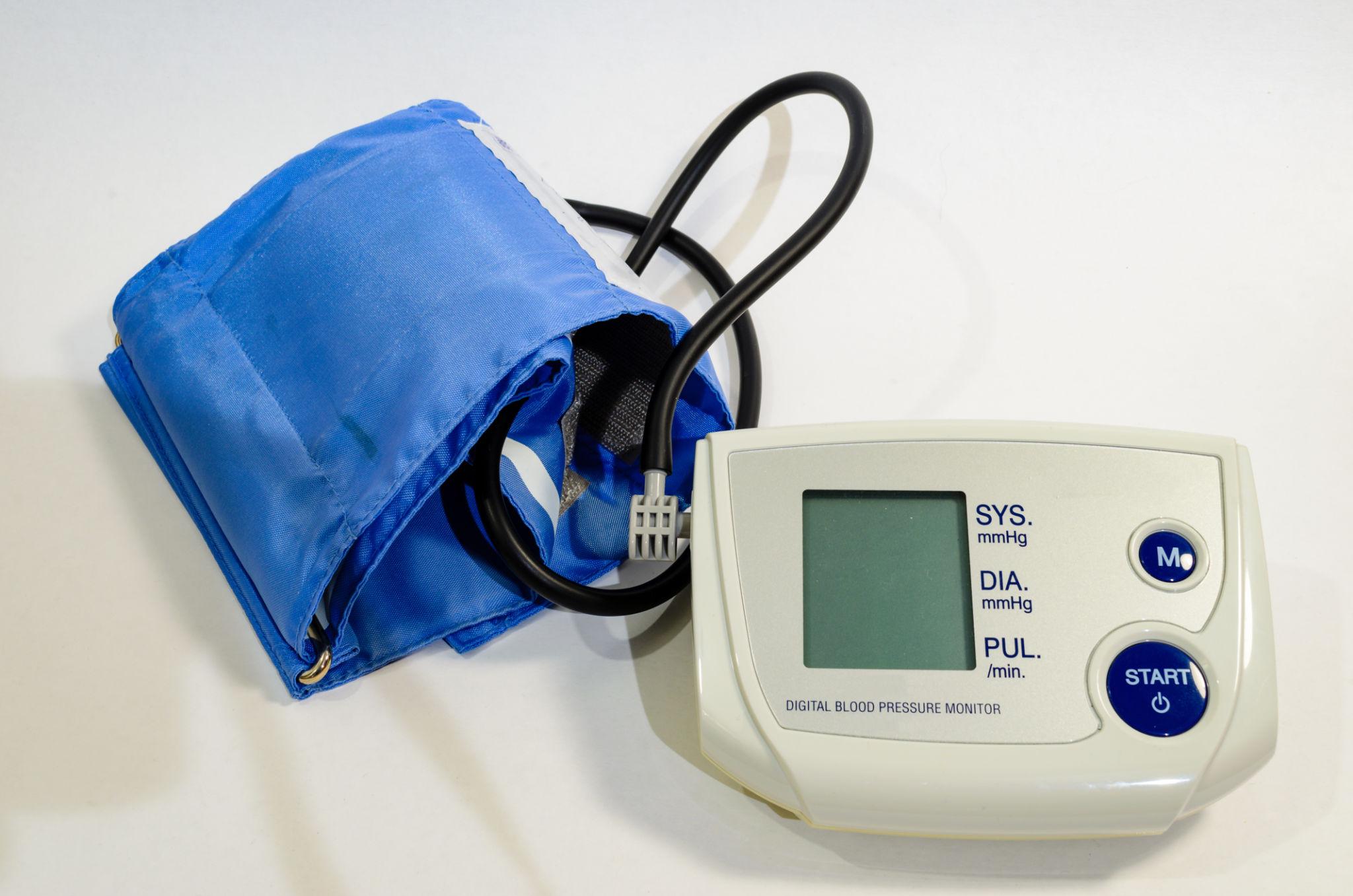
For years, 120/80 mm Hg has been widely recognized as a healthy blood pressure benchmark. But modern medical guidance has moved beyond a one-size-fits-all number. Today, experts emphasize that what’s considered “normal” can vary depending on individual health factors, including age, medical history, and overall cardiovascular risk. Rather than focusing on a single target, the goal is to understand what range is safest for each person.
The first step is recognizing how risk is assessed. Blood pressure exists on a spectrum, and even slightly elevated readings can matter over time. Conditions such as diabetes, kidney disease, or a history of heart issues may lead healthcare providers to recommend lower targets to reduce long-term complications. In many cases, readings around or above 130/80 mm Hg may prompt closer monitoring or lifestyle adjustments, even if they were once considered only mildly elevated.
The next step is taking action based on context. Instead of relying solely on a number, it’s important to look at patterns and contributing factors. Regular checkups, balanced nutrition, physical activity, and stress management all play a role in maintaining healthy levels. When needed, medical guidance can help determine whether additional steps—such as medication—are appropriate.
The key takeaway is simple: numbers alone don’t tell the whole story. Understanding your personal baseline and working with a healthcare professional provides a clearer picture of what’s right for you. By focusing on individualized care rather than generalized standards, it becomes easier to make informed decisions that support long-term heart health.