
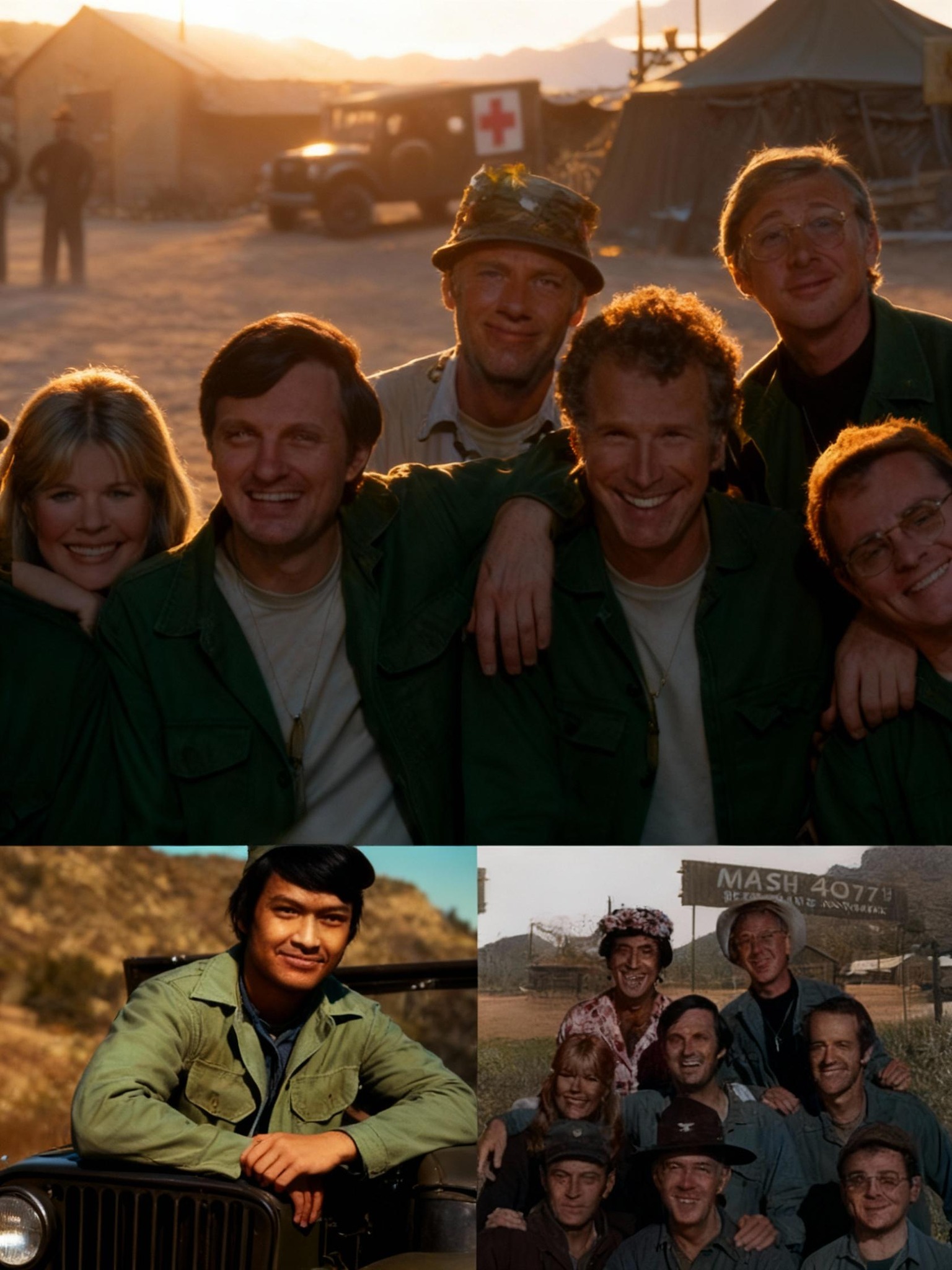
Patrick Adiarte, a familiar presence in some of television’s most enduring classics, has passed away at the age of 82 following long-term health challenges. While his name was rarely positioned at the center of publicity, his work left a lasting impression on American entertainment. Known to many viewers for appearances on beloved series such as M*A*S*H, Adiarte was part of a generation of performers who worked within an industry that offered limited and often temporary opportunities to Asian and Filipino actors. His passing invites renewed reflection on a career shaped by perseverance, talent, and quiet consistency rather than headline-making fame.
Born in the Philippines during World War II, Adiarte’s early life was marked by instability and survival. Those formative experiences followed him when he immigrated to the United States, where he entered an entertainment industry that rarely made space for performers who looked like him. Despite these barriers, he secured roles on major television productions during the golden age of network TV. His performances were defined by warmth and restraint, standing out for their sincerity at a time when nuance was often denied to actors of color.
As on-screen opportunities gradually slowed, Adiarte made a deliberate decision not to chase diminishing visibility. Instead, he redirected his energy toward teaching and mentoring, particularly through dance and performance education. In studios and classrooms, he became a steady guide for young artists, emphasizing discipline, respect for craft, and confidence—values shaped by his own experiences navigating an unequal industry. This chapter of his life became one of his most meaningful contributions, allowing his influence to extend far beyond television credits.
In his later years, Adiarte lived quietly, at ease with the path he had chosen. While his death may not dominate headlines, his story carries lasting significance. He survived war, crossed continents, and carved out a place in American entertainment during a time when doing so required uncommon resolve. Patrick Adiarte’s legacy lives on through classic television, through the many students he inspired, and through the growing recognition of artists whose impact was felt not through volume, but through endurance.