
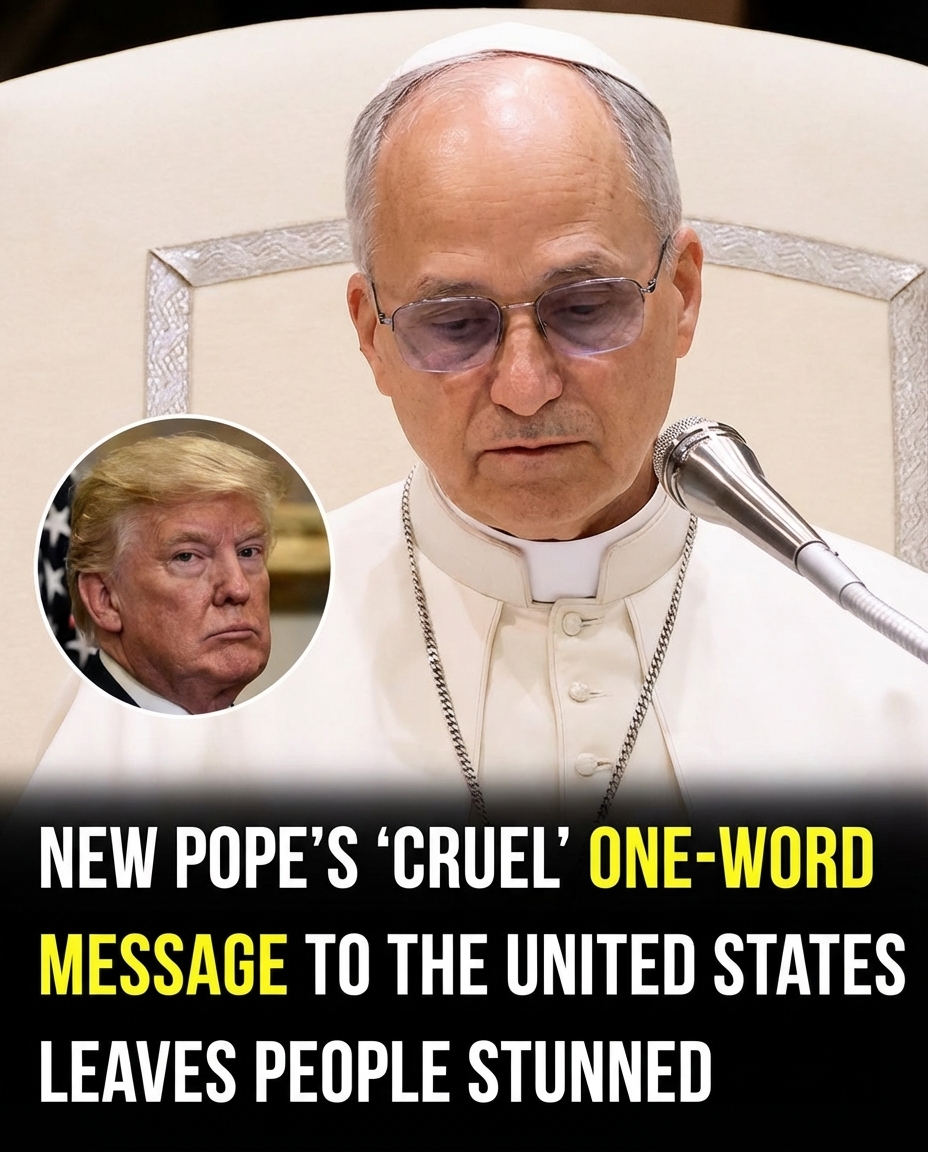
In a setting known for careful language and centuries-old tradition, a brief exchange unexpectedly captured global attention. Only days into his papacy, Pope Leo XIV faced a question many observers were anticipating during a Vatican press conference: did he have a message for the United States? After a short pause and a gentle smile, his reply consisted of a single word—measured, intentional, and striking in its simplicity.
The word was “Many.” He followed it with a customary blessing and moved on, but the moment lingered far beyond the room. Within minutes, clips of the exchange circulated widely online, sparking discussion across news outlets and social platforms. In an age of extended statements and layered explanations, the brevity of his response felt almost disarming. To some, it reflected humility and restraint; to others, it seemed like an open invitation to think rather than be told what to think.
Interpretations quickly emerged. Some viewed the word as a reference to the many responsibilities the United States holds on the world stage, while others felt it pointed to the many challenges facing the country internally. Those familiar with Pope Leo XIV’s background noted his consistent emphasis on compassion, dialogue, and shared responsibility. In that light, the response appeared less evasive and more reflective—leaving space for listeners to consider meaning through their own lens.
The moment also underscored how leadership communication is shifting in the digital era. A single word proved enough to spark global conversation, reaching audiences far beyond traditional religious circles. As Pope Leo XIV continues to define his papacy through future actions and messages, his broader vision will likely take shape over time. For now, that brief reply has served as a reminder that sometimes the most powerful statements are the ones that say just enough—and leave the rest to thoughtful reflection.