
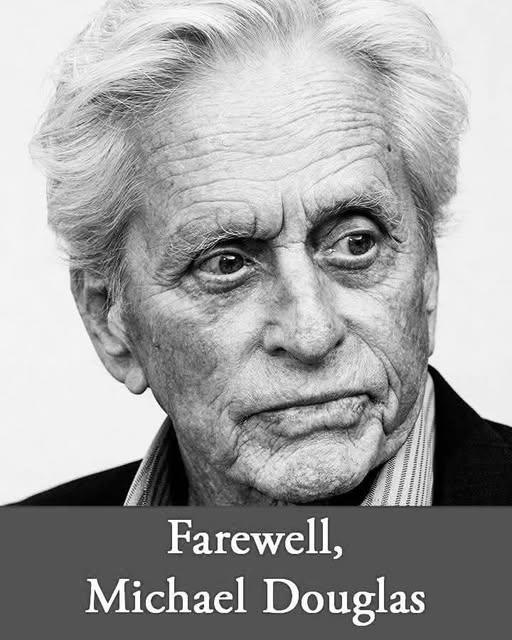
Before Michael Douglas found lasting partnership with Catherine Zeta-Jones, he lived through an earlier marriage that carried all the markings of classic Hollywood: glamour, visibility, ambition, and, ultimately, a painful ending. His relationship with Diandra Luker lasted nearly two decades, spanning family life and the pressures that often come with fame. When the marriage ended, it became one of the entertainment world’s most talked-about divorces, remembered not only for its emotional weight but also for the enormous financial settlement reportedly tied to the split.
Reports have long described Luker’s divorce settlement as about $45 million, a figure that helped cement the breakup’s place in Hollywood lore. For someone with Michael Douglas’s level of success, the case stood as a reminder that professional achievement does not protect anyone from the personal and financial consequences of a marriage unraveling. Even for a star associated with power, polish, and box-office prestige, the end of that chapter appeared to come at a very real cost.
By then, Douglas had already built one of the industry’s most respected careers. He won an Academy Award as a producer for One Flew Over the Cuckoo’s Nest and later earned another Oscar for his performance as Gordon Gekko in Wall Street. Along the way, films such as Fatal Attraction helped define his image as a commanding and unmistakably cinematic presence, making his private-life turmoil feel even more striking against such public success.
What gives this story lasting interest is not just the size of the settlement, but the contrast it reveals. Behind the awards, acclaim, and carefully managed image was a man navigating the same heartbreak, disappointment, and upheaval that can follow any broken marriage. Long before his later chapter with Catherine Zeta-Jones, this divorce marked the close of a major era in Michael Douglas’s life—one that proved even Hollywood legends are not spared the hardest personal reckonings.