
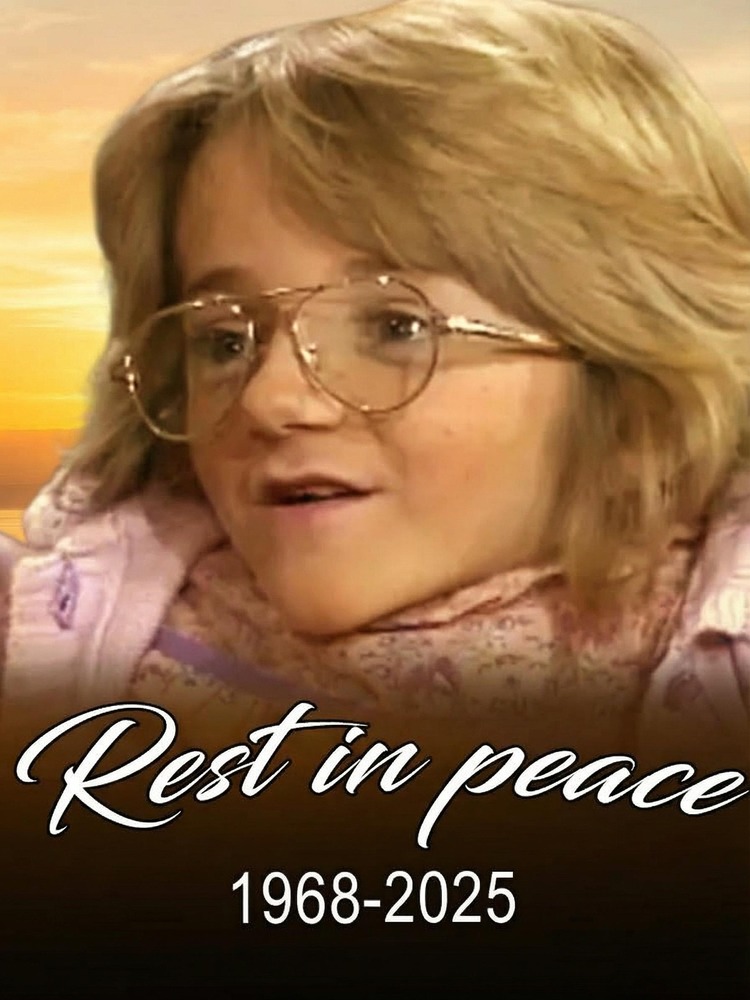
The television community has recently paused to remember Melanie Watson, whose work helped broaden representation during a formative era in American entertainment. She passed away at the age of 57 after being hospitalized in Colorado Springs, according to her family. While her acting career was not lengthy, her presence left a lasting impression on viewers during a time when network television rarely reflected diverse physical experiences.
Born in July 1968 in Dana Point, California, Watson lived with osteogenesis imperfecta, a rare genetic condition that affects bone strength and mobility. From an early age, this reality required resilience and adaptation, shaping much of her daily life. Rather than allowing the condition to limit her ambitions, she pursued acting with determination, focusing on storytelling and performance. Her goal was not to be defined by disability, but to be recognized for her voice, perspective, and creative contribution.
Watson became best known for her recurring appearances on Diff’rent Strokes, where she appeared in multiple episodes between 1981 and 1984. At the time, the series was among the most-watched shows on television. Acting alongside stars such as Todd Bridges and Gary Coleman, Watson’s role brought a level of authenticity rarely seen on mainstream television, as visible disabilities were seldom portrayed with nuance or regularity.
In later interviews, Watson spoke candidly about both the challenges and significance of her experience. She acknowledged moments on set that were difficult, while also recognizing the importance of being seen during an era with limited inclusivity. She credited Norman Lear for supporting storytelling that pushed boundaries at a time when such efforts were uncommon. Though her time in the spotlight was brief, her influence endured—offering recognition to viewers who rarely saw themselves reflected on screen and leaving behind a legacy defined by courage, sincerity, and quiet cultural impact.