
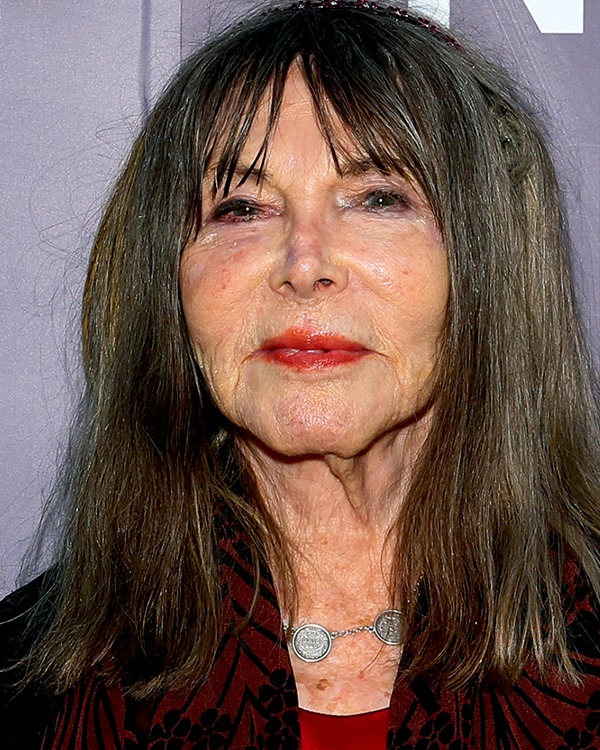
Hollywood in the 1950s shimmered with glamour, but behind the studio gates, power was tightly controlled. Among the era’s promising young stars was Lee Grant, whose elegance and emotional depth quickly caught the attention of producers. She made a striking film debut in Detective Story opposite Kirk Douglas, earning an Academy Award nomination for Best Supporting Actress and recognition at the Cannes Film Festival. Critics predicted a long and luminous career.
Yet just as her star was rising, it dimmed abruptly. In 1951, Grant delivered a heartfelt eulogy for actor J. Edward Bromberg, suggesting that the stress of congressional investigations into alleged communist ties had contributed to his death. At the height of the Red Scare and Hollywood blacklist era, such remarks carried consequences. Grant soon found herself effectively barred from major studio projects, her name quietly removed from casting lists during a period when political suspicion overshadowed artistic merit.
For more than a decade, she struggled to secure consistent work in film. The blacklist era demonstrated how swiftly careers could be disrupted when studios and political forces intersected. Still, Grant refused to abandon her craft. She gradually rebuilt her career through television and independent projects, ultimately reemerging in prominent roles. Her performance in Shampoo earned her an Academy Award for Best Supporting Actress, reaffirming the talent that had first captivated audiences decades earlier. She later appeared in acclaimed works including Mulholland Drive.
Grant’s journey reflects both the fragility and resilience of artistic careers during one of Hollywood’s most turbulent chapters. Though politics once sidelined her, her body of work endures as proof that talent can outlast suppression. Today, her story stands as a reminder of a time when freedom of expression carried significant risk—and of how perseverance can restore a voice that history once tried to silence.