
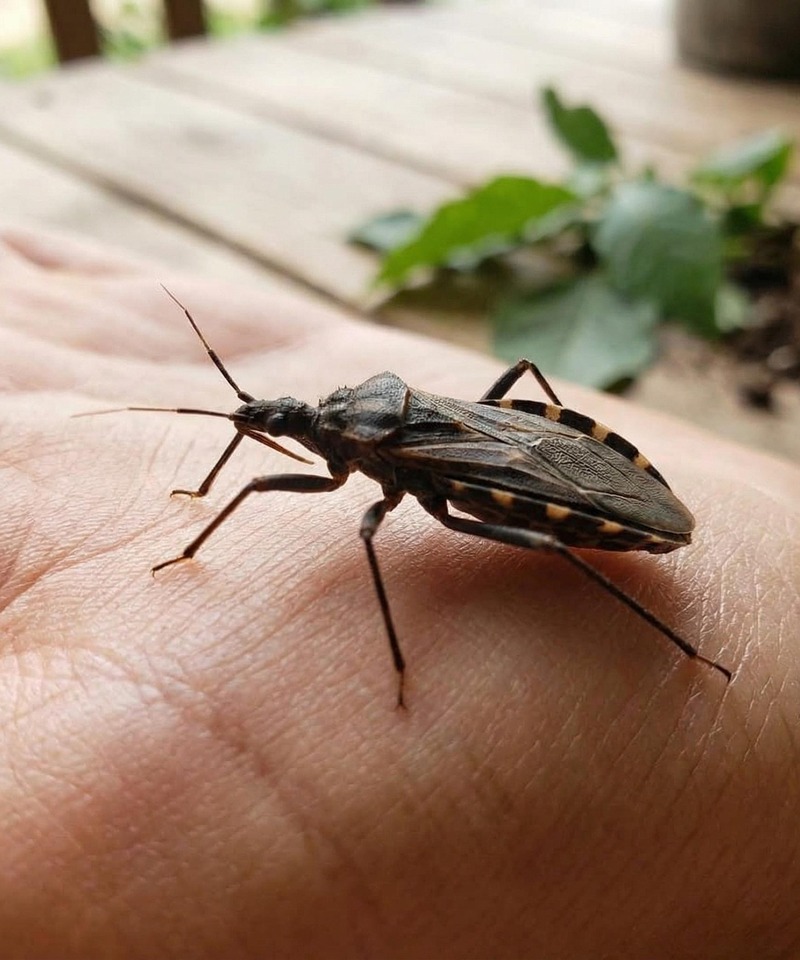
Most insect bites are harmless annoyances—an itchy spot here, a small red bump there—but a few deserve closer attention. One such insect is the kissing bug, or triatomine bug, which has drawn increasing public awareness in recent years. Its appearance isn’t particularly alarming, and its bite is usually painless, which is exactly why understanding it matters. Active mainly at night, this insect often bites while people are sleeping, leaving no immediate hint that contact ever occurred. Knowing how it behaves and what subtle clues to look for can help support long-term health awareness.
Because kissing bugs release a mild numbing agent while feeding, their bites often go unnoticed at first. When signs do appear, they commonly resemble everyday insect bites—light redness, mild itching, or faint swelling that fades quickly. Occasionally, swelling near the eye or on the face may develop, making the reaction more noticeable. These effects are typically mild, but recognizing when a bite appears in an unusual area or feels different from your normal reactions can help you stay attentive without becoming alarmed.
In the days or weeks following exposure, some people may develop general symptoms that resemble a routine illness. Fatigue, low-grade fever, headaches, muscle aches, or an overall sense of feeling unwell may arise and then fade. Because these symptoms are common to many conditions, they’re often attributed to stress or seasonal bugs. Swollen lymph nodes or digestive discomfort may also occur as the body responds. None of these signs are dramatic, but their subtle nature is what makes them easy to overlook.
If symptoms persist, worsen, or appear after spending time in regions where kissing bugs are present, seeking medical guidance is a wise step. A healthcare professional can determine whether evaluation or testing is appropriate and offer reassurance or treatment if needed. Staying informed, noticing small changes in your body, and asking questions when something feels off are practical ways to support your well-being. In the case of kissing bugs, awareness—not fear—is the most helpful tool for recognizing potential concerns early and staying proactive about your health.