
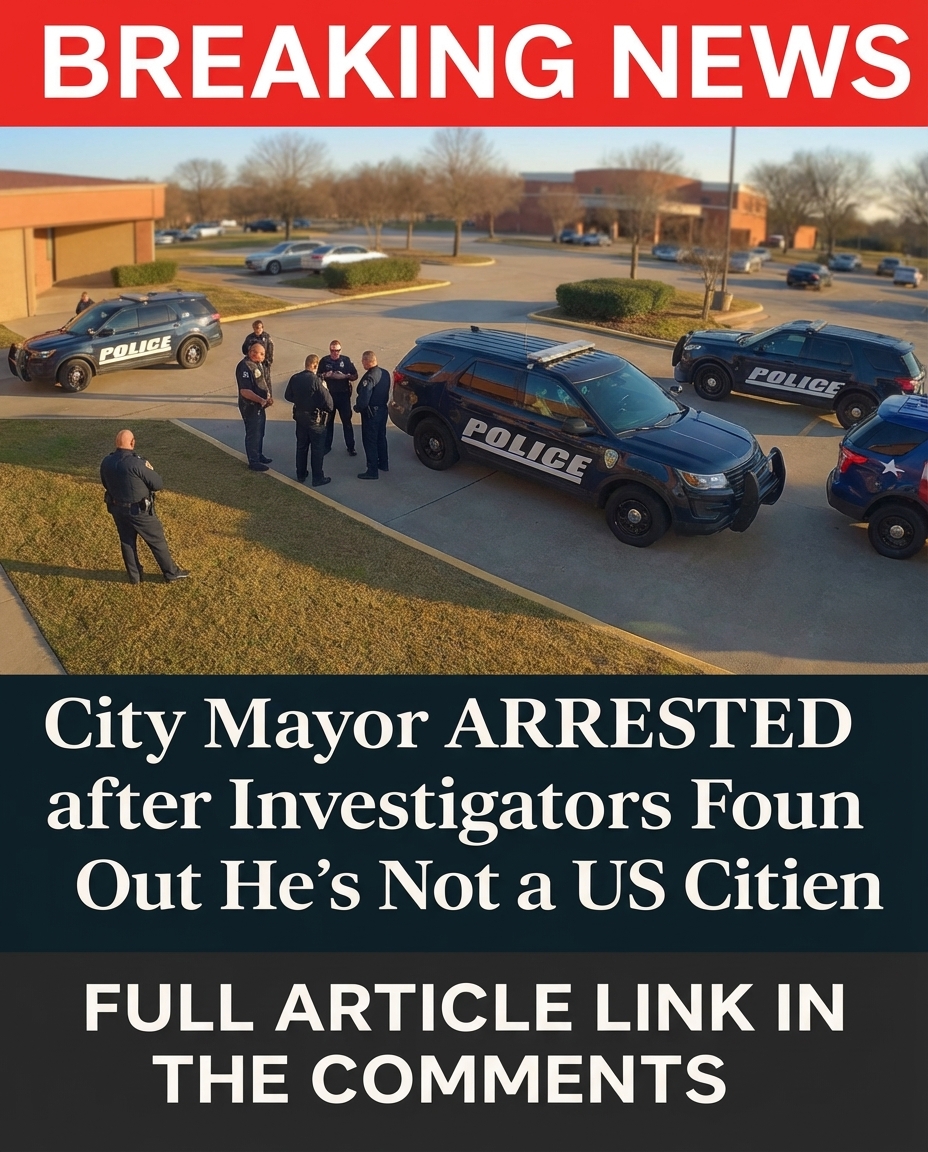
Just days after voters in Coldwater, Kansas, returned Mayor Jose Ceballos to office, the small community found itself at the center of a much larger conversation. What had begun as a routine local election quickly shifted into a legal and political story after the Kansas Attorney General’s Office announced criminal election-fraud charges against Ceballos the day after his re-election. The sudden turn drew attention not only because of the timing, but because it raised broader questions about how eligibility reviews can surface after ballots have already been cast.
According to state officials, the case focuses on allegations that Ceballos, a lawful permanent resident originally from Mexico, voted in elections despite not being a U.S. citizen. Public reporting indicates he had been registered and voting in recent years, and Kansas Secretary of State Scott Schwab said newer access to federal verification tools helped flag the issue for closer review. Ceballos has since said he believed he was allowed to vote as a permanent resident, while officials maintain the charges are based on state law and the records now under scrutiny.
Local leaders moved quickly to reassure residents that city business would continue as the legal process unfolds. In the months after the charges were filed, reporting showed that Ceballos stepped away from his mayoral role and later resigned, signaling how seriously the case has affected both local governance and public confidence. Even so, many in the town have described him as a familiar and committed civic figure, which has added another layer of emotion and complexity to the proceedings.
Beyond Coldwater itself, the case has fueled a wider Kansas debate about voter registration oversight, database accuracy, and how citizenship checks are handled over time. It has also renewed attention on long-running state and national arguments over noncitizen voting, which remains rare but politically charged. As the court process continues, the outcome may shape not only the future of one town’s leadership, but also how Kansas approaches election verification and public trust in the years ahead.