
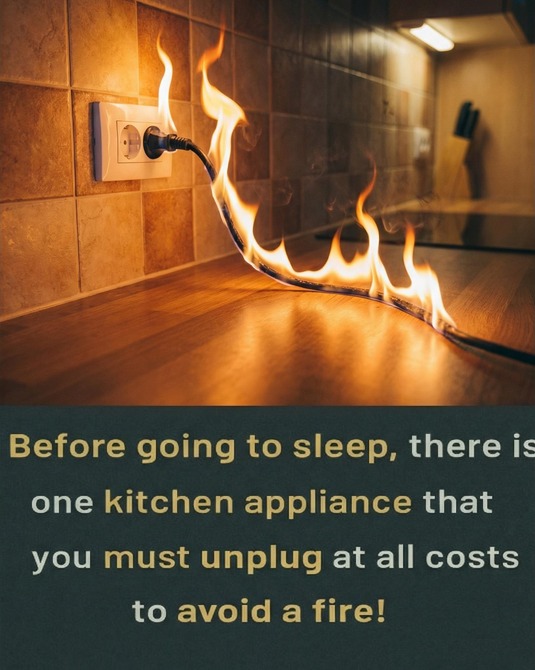
It’s easy to assume your home powers down when you do—but many electronics keep drawing electricity even after you switch them off. Televisions, chargers, microwaves, computers, and coffee makers often remain in standby mode, sipping power around the clock. This “phantom energy” use may seem insignificant, yet over time it quietly increases your electric bill. Building the habit of unplugging unused devices is a simple way to cut waste and make your home more energy-efficient without changing your lifestyle.
The advantages go beyond savings. Anything connected to an outlet carries some level of risk, especially items that generate heat. Styling tools like curling irons, hair dryers, and space heaters can become hazards if they’re damaged, tipped over, or accidentally left on. Even everyday electronics can develop worn cords or internal faults over time. Unplugging after use creates an extra layer of protection, helping reduce the chance of electrical issues when no one is watching.
Some of the biggest energy drains aren’t always obvious. Toasters and toaster ovens can trap crumbs that overheat in older models, while gaming systems, printers, washers, dryers, and entertainment centers often stay in standby mode indefinitely. It’s unrealistic to unplug everything daily, but focusing on devices that sit idle for long stretches can make a meaningful difference—for both efficiency and peace of mind.
The key is making it effortless. Power strips with on/off switches let you shut down multiple devices at once, and smart plugs or timers can automate the process entirely. Many people link unplugging to routines like bedtime or leaving the house. These small adjustments take seconds, but the payoff adds up: lower utility bills, a safer living space, and a home that works smarter instead of harder.