
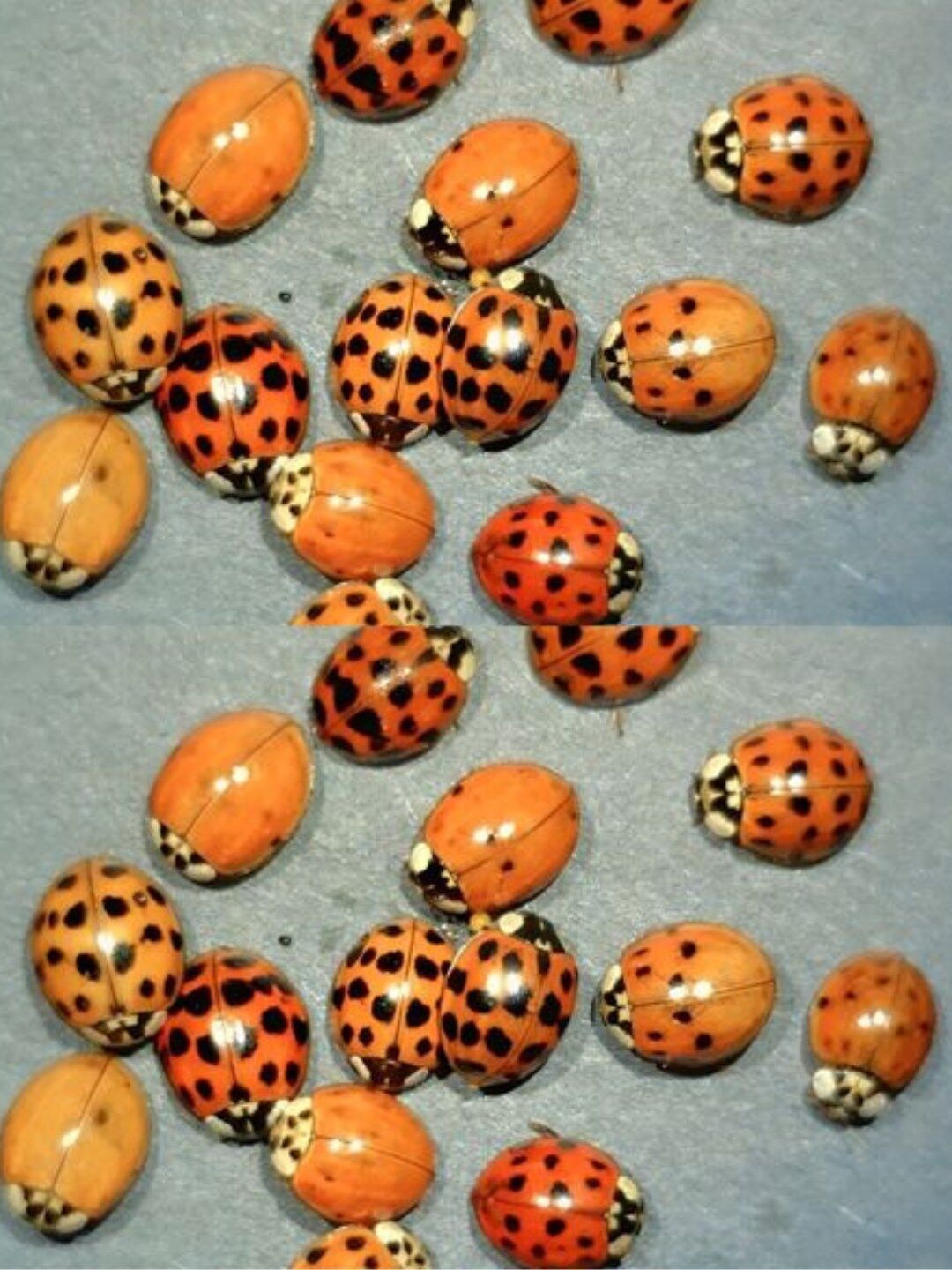
Spotting a yellow ladybug often feels like a small, unexpected delight. Because most people are familiar with the classic red-and-black version, seeing one in a bright yellow shade naturally sparks curiosity. These tiny insects stand out against leaves and flowers, inviting a second look and often inspiring feelings of joy, surprise, or even a sense of good luck in an otherwise ordinary moment.
To understand what you’re seeing, it helps to know that yellow ladybugs are completely real. Ladybugs belong to the Coccinellidae family, which includes thousands of species found around the world in a wide range of colors and patterns. Some yellow varieties, such as the well-known 14-spotted ladybug, feature distinctive markings that make them easy to recognize once you know what to look for.
From a natural perspective, the bright yellow color serves an important purpose. It acts as a warning signal to predators, letting birds and other animals know that the ladybug isn’t a pleasant snack. This type of coloration helps protect the insect while allowing it to continue its helpful role in gardens. Like other ladybugs, yellow species feed on plant pests such as aphids, making them a welcome and beneficial presence around flowers and vegetables.
Many people also enjoy exploring the symbolic meaning associated with yellow ladybugs. The color yellow is often linked to optimism, warmth, and fresh beginnings, leading some to view these insects as signs of happiness or positive change. Whether you see them as a spiritual symbol or simply a fascinating part of nature, noticing a yellow ladybug is a gentle reminder to pause, observe, and appreciate the small wonders that appear when you least expect them.