
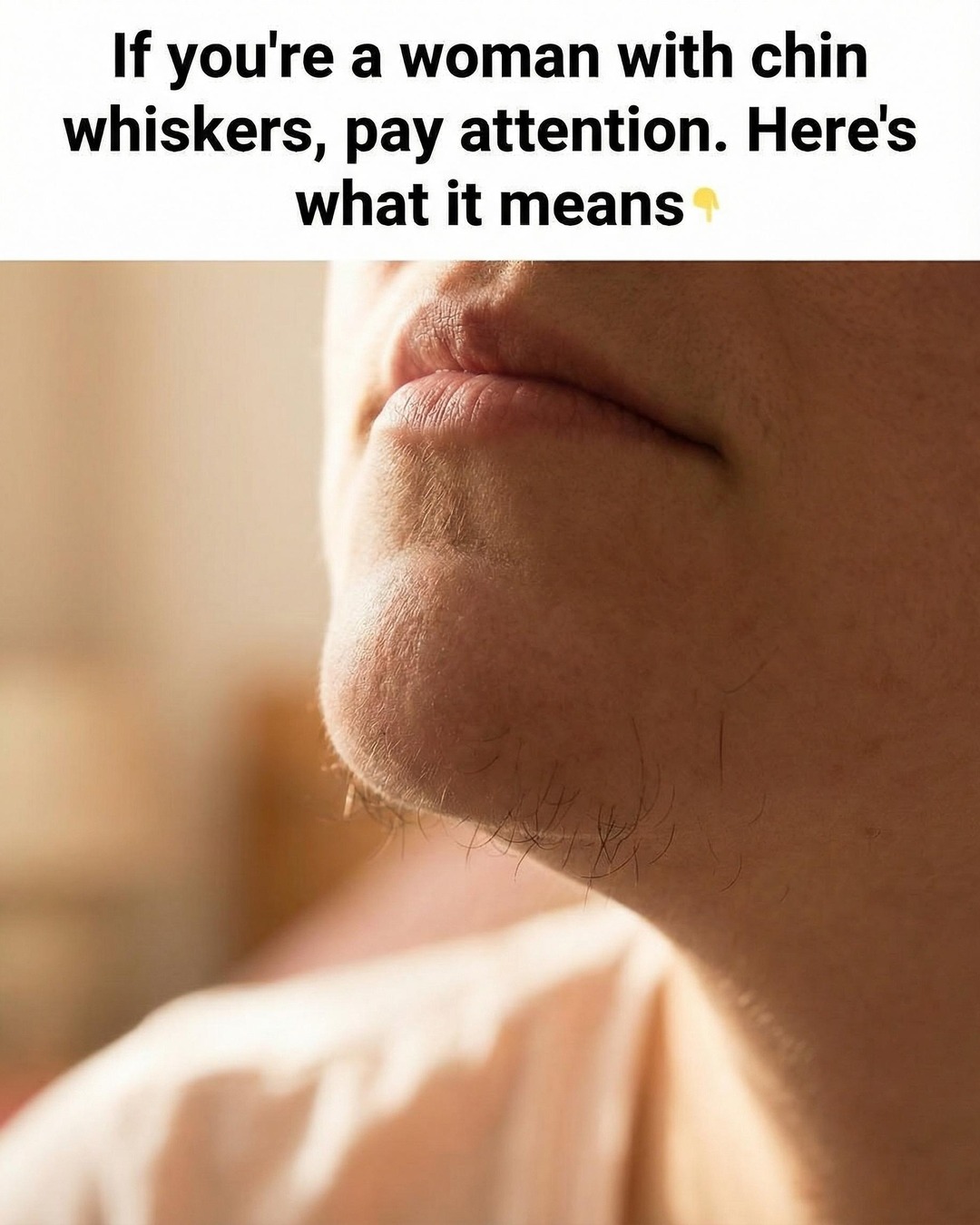
Finding a coarse hair or two on your chin can be unexpected, but it’s a very common experience for women. Facial hair growth exists on a wide spectrum, and for many people it’s simply part of normal biology. Factors like genetics, natural aging, and everyday hormonal shifts all influence where and how hair appears. In most cases, chin hair is a cosmetic concern rather than a medical one, even if it feels frustrating or surprising at first.
Understanding why chin hair develops often starts with hormones. Women naturally produce small amounts of androgens, which are hormones that affect hair growth. Even mild changes in hormone levels can stimulate hair follicles on areas like the chin or jawline. These shifts commonly happen during menopause, after stopping or changing birth control, or during periods of stress. The change doesn’t have to be dramatic to be noticeable.
Knowing when to look deeper is also important. If chin hair appears suddenly or increases alongside other changes—such as acne, irregular menstrual cycles, or unexplained weight fluctuations—it may be worth discussing with a healthcare professional. Conditions like Polycystic Ovary Syndrome (PCOS) are sometimes associated with increased facial hair, but chin hair alone does not indicate PCOS. Diagnosis depends on a combination of symptoms, medical history, and testing, not appearance alone.
Deciding what to do next depends on comfort and preference. Many women choose simple solutions like trimming, waxing, threading, or at-home removal methods, while others explore professional treatments. There’s no single “right” response—only what feels manageable and empowering for you. Staying informed, calm, and practical helps keep chin hair in perspective, allowing you to focus on overall well-being rather than unnecessary worry.