
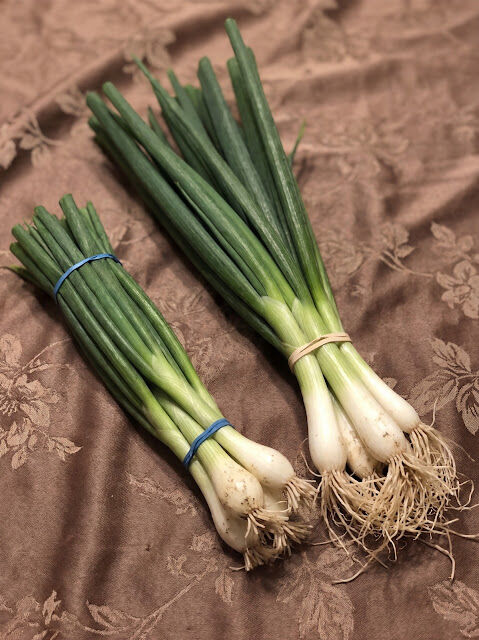
Green onions, scallions, spring onions, and chives often sit side by side at the grocery store, looking interchangeable at first glance. In reality, each has its own flavor profile, texture, and ideal use in the kitchen. Knowing which is which helps you cook with more confidence, avoid overpowering dishes, and get the best results from simple ingredients.
Green onions and scallions are actually the same thing—just different names for young onions harvested before a bulb forms. They have a slim white base and long, hollow green stalks. Their flavor is mild and fresh, with the white part offering a bit more bite and the green part staying soft and delicate. Both sections are edible, making them versatile for salads, salsas, eggs, soups, noodles, and quick stir-fries.
Spring onions are a more mature version. They look similar to scallions but have a small, rounded bulb at the base. That bulb brings a stronger, sweeter onion flavor—closer to a mild red or yellow onion. Spring onions shine when grilled or roasted whole, and the bulb can be sliced and cooked like a standard onion, while the green tops still work well as a garnish.
Chives stand apart from the others because they’re considered an herb rather than a vegetable onion. They have very thin, solid, grass-like stems and no bulb at all. Their flavor is subtle and gentle, which makes them best used raw or added at the very end of cooking. Chives are perfect for finishing soups, dips, eggs, potatoes, and sauces when you want a hint of onion without overwhelming the dish.